15.01.2026
Where to Go for an Affordable Vacation in 2026 — Top Budget-Friendly Countries for Vacations Abroad

Where you can vacation abroad inexpensively: budget-friendly countries for beach holidays, the cheapest travel destinations, tour package prices, and useful money-saving tips.
-
You can vacation abroad inexpensively, even on a limited budget, if you choose the right destination and season.
-
The cheapest countries for vacations are often closer than they seem and don’t require complicated visa arrangements.
-
The main expense categories – flights and accommodations – make up to 70% of the trip budget.
-
Visa-free entry and a short flight significantly reduce the cost of a trip.
-
Package tours and charter flights are often cheaper than independent travel.
-
Traveling in the low season can reduce expenses by 30–50% without sacrificing the quality of the vacation.
-
Budget beach vacations are possible not only in summer but also in winter.
-
Early booking and last-minute deals are key tools for saving money.
To understand where you can vacation abroad affordably, you should look not at advertising promises but at the numbers. In many countries, a vacation can be affordable even on a limited budget, especially outside the peak season and with smart booking. In this article, we’ve compiled a selection of the cheapest countries to travel in 2026 with up-to-date prices, visa rules, and tips that help reduce costs without sacrificing the quality of the trip.
How to Choose an Inexpensive Country for a Vacation Abroad
The choice of destination directly affects the final cost of the trip. Even with the same level of comfort, the difference in budget can be significant.
Three key criteria were considered when compiling this rating. The first is the overall cost of the trip: flights, accommodation, food, and basic entertainment. The second is accessibility: visa regime, availability of direct flights, ease of entry. The third is a developed tourist infrastructure, allowing for comfortable travel without overpaying.
When calculating, it’s important to account not only for the tour price but also for associated expenses. A cheap flight can be offset by costly lodging, and visa-free entry can be negated by high food prices. The optimal choice is destinations where all components of the budget are balanced.
Visa rules are particularly important. Countries with visa-free entry or where you can enter with just an internal passport allow you to save not only money but also time. It’s also worth considering seasonality: during peak season, prices for tours, hotels, and flights rise by 30–50%, whereas in the off-season the same vacation is noticeably cheaper.
Top Countries Where You Can Vacation Abroad on a Budget
This ranking includes destinations where you can fly inexpensively in 2026 — from the cheapest to moderately affordable. For each country, approximate prices, visa requirements, the best months to travel, and money-saving tips are provided.
1. Vietnam — One of the Cheapest Beach Destinations in Asia

Why Vietnam is in the TOP
Vietnam’s main advantage is low daily expenses. Even in popular resort cities, the price level remains moderate, and price increases in the high season are less pronounced than in other Asian countries. A significant plus is the variety of accommodation options: guesthouses, apartments, and small hotels allow you to choose lodging for any budget without relying on package tours. An additional advantage is the developed infrastructure for independent travelers. Getting between areas and resorts doesn't require expensive transfers, which reduces the overall trip budget.
Cost of vacation
-
Accommodation in guesthouses and apartments — from $20–30 per night for a room.
-
Food — from $7–10 per day per person when choosing local cafes.
Best resorts
-
Nha Trang is suitable for a classic beach vacation and a first-time trip.
-
Phan Thiet and Mui Ne cater to a more relaxed pace and have lower prices.
-
Phu Quoc is chosen for island relaxation, though the budget there is higher.
When to go
-
December–March can be comfortable for a trip to Vietnam, but the weather depends on the region: in the south it’s often dry, while in the central and northern parts rain is possible. However, during this period prices are lower in many places than in high season.
-
April and November are good for more budget-friendly trips with fewer tourists.
Money-saving lifehacks
-
Plan your vacation in one region instead of actively moving around the country. Vietnam is long, and moving around often increases transportation and accommodation costs. Choosing one resort as a base with day trips helps preserve your budget.
-
Buy a local SIM card immediately upon arrival. This gives access to inexpensive bike-taxi and delivery services, which are cheaper than tourist transfers.
-
Choose accommodations in neighborhoods geared toward long-term rentals. In such areas, prices are lower and conditions are often better than in tourist centers.
What to see for free
-
City beaches in Nha Trang and Phan Thiet are open for everyone, especially areas outside the central tourist zones.
-
The Long Son Pagoda in Nha Trang and small city temples can be visited without entrance fees.
-
The waterfront promenades of resort towns, morning markets, and historic neighborhoods are ideal for self-guided walks and allow you to experience everyday life in Vietnam without tours or additional expenses.
2. Thailand — Exotic Budget Vacation in Asia
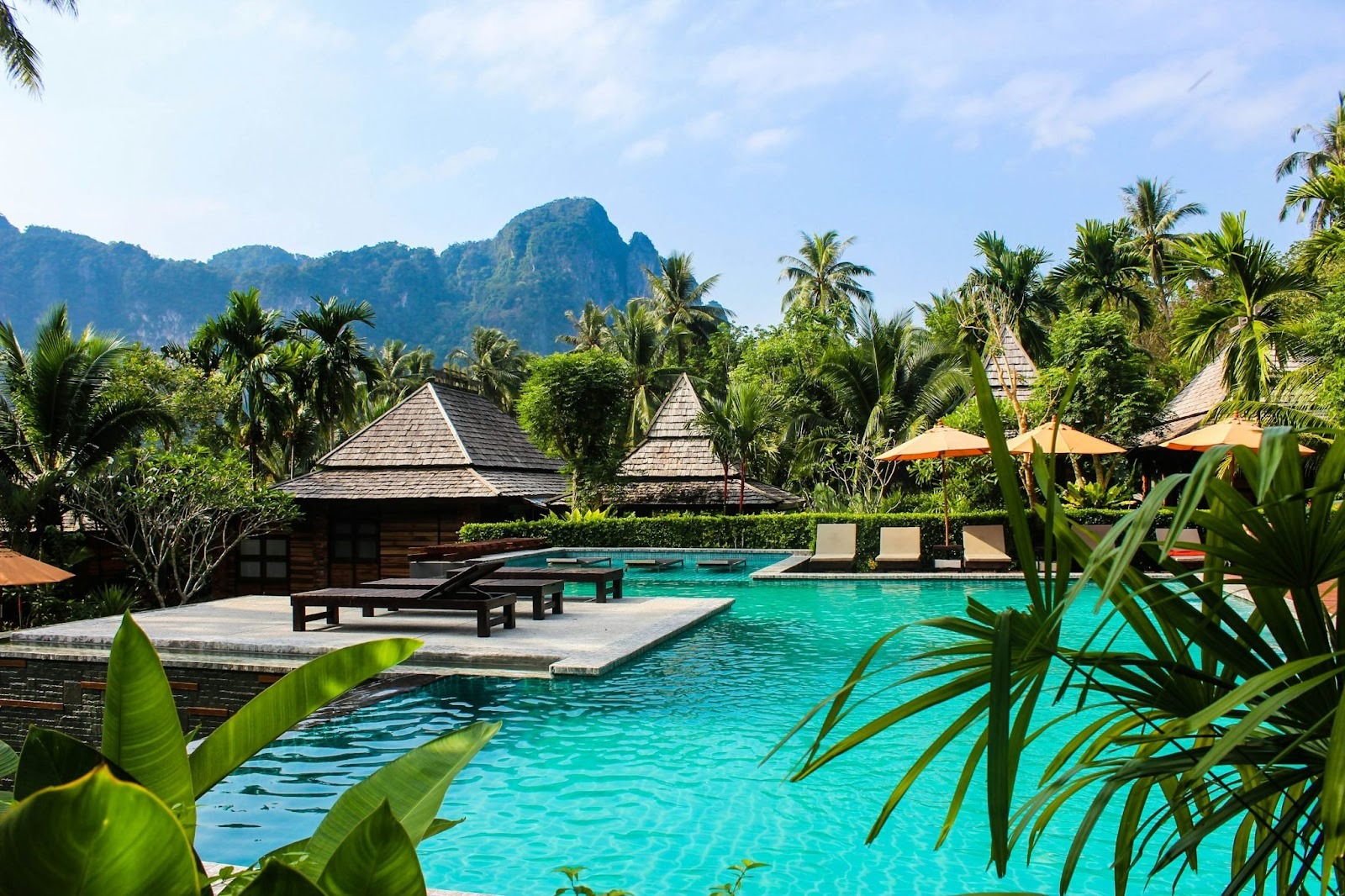
Why Thailand is in the TOP
The main advantage of Thailand is the low cost of living. Even in tourist regions, prices for accommodation, food, and services are noticeably lower than in many other exotic countries. This helps offset flight costs and keeps the overall trip budget reasonable.
Cost of vacation
-
Accommodation in apartments and small hotels — from $25–35 per night.
-
Food — from $8–12 per day per person.
Best resorts
-
Pattaya is considered the most budget-friendly resort. It offers plenty of affordable accommodation, developed transportation, and a wide choice of local cafes.
-
Phuket is suitable for those who want to combine beach time with sightseeing, but prices here are higher than in Pattaya.
-
Krabi and Koh Samui are great for a quieter vacation but require a slightly larger budget.
When to go
-
November–March is the high season with comfortable weather and minimal rainfall.
-
April–May is very hot, but prices for lodging and flights drop.
-
June–October is the low season. Rains are short-lived, there are fewer tourists, and accommodation costs can be 30–40% lower.
Money-saving lifehacks
-
Stay in areas with regular songthaew or local bus routes. This allows you to avoid taxis and significantly reduce daily expenses.
-
Separate beach days and sightseeing days. Visiting temples and viewpoints on non-beach days by yourself helps avoid expensive tours.
-
Buy tickets for domestic travel and boats directly on the spot, rather than through hotels or online packages.
What to see for free
-
Public beaches in Pattaya and Phuket are open for free access, especially areas outside the central tourist zones.
-
Many temples and religious sites, such as Wat Chalong in Phuket or the city temples in Pattaya, are open for visits without entrance fees.
3. Mexico — Budget Beach Vacation and Latin American Culture
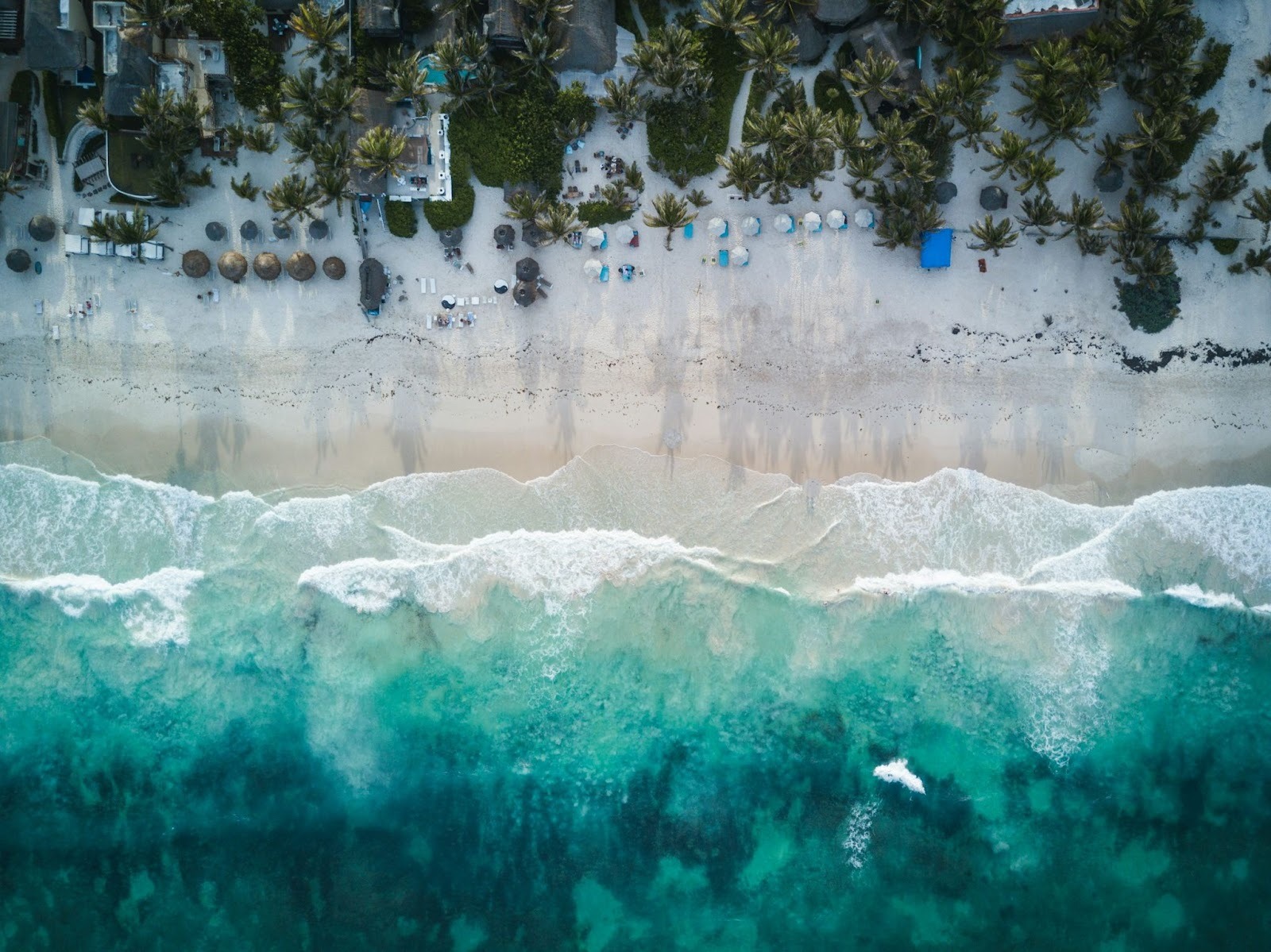
Why Mexico is in the TOP
Mexico’s main advantage is the low cost of living outside the major tourist zones. In most cities and coastal regions, prices for lodging and food are noticeably lower than in the most promoted resorts, yet the infrastructure remains convenient and traveler-friendly. An additional advantage is the robust public transportation system. Intercity buses and local transit allow you to get around without renting a car or paying for costly transfers, significantly reducing overall trip expenses.
Cost of vacation
-
Accommodation in apartments and small hotels — from $25–40 per night.
-
Food — from $7–12 per day per person when choosing local cafes.
Best resorts
-
The Yucatán coast is great for a beach vacation.
-
The Pacific coast is often chosen for its lower prices.
-
Mexico City is convenient for a sightseeing format without the sea.
When to go
-
November–April is considered the most comfortable period.
-
May and September are good for more budget-friendly trips.
Money-saving lifehacks
-
Choose cities with an active local urban life instead of resort zones. In such places, accommodation and food are cheaper, while access to beaches and attractions remains free.
-
Use daytime intercity buses instead of overnight buses or domestic flights — they’re safe and significantly cheaper.
-
Plan visits to museums and cultural sites on free-admission days, which are regularly offered in major cities.
What to see for free
-
The historic centers of Mexican cities are great for self-guided walks. In Mexico City, explore the Centro Histórico with its colonial architecture and the central Zócalo square; in coastal towns, you’ll find old quarters with churches and public plazas that require no admission fees.
-
Public beaches outside private resort areas are open for everyone. In areas around Playa del Carmen and Tulum, you can swim and walk along the coastline without renting lounge chairs or incurring any fees.
4. Indonesia (Bali) — Exotic Vacation with a Flexible Budget
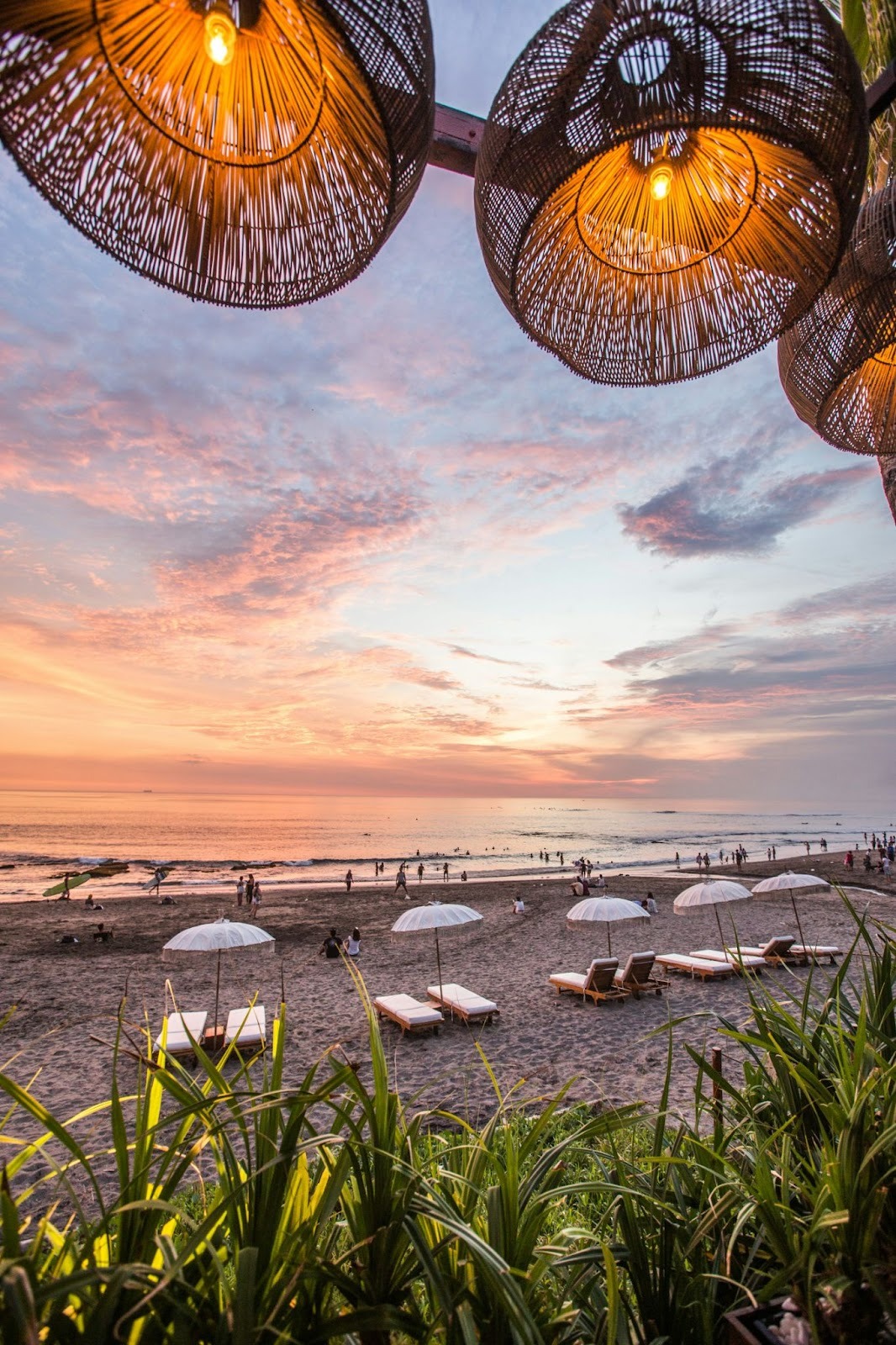
Why Bali is in the TOP
Bali’s main advantage is budget flexibility. The island offers a wide range of accommodations, from simple guesthouses to comfortable apartments, and competition among hosts keeps prices in check. Another plus is the affordability of daily expenses. Food, transport rental, and everyday services are inexpensive, which is especially noticeable on trips lasting a week or more.
Cost of vacation
-
Accommodation in apartments and guesthouses — from $20–35 per night.
-
Food — from $6–10 per day per person.
Best areas:
-
Canggu is great for long-term stays and remote work.
-
Ubud is geared toward a peaceful experience and nature.
-
Sanur is chosen for a quieter beach vacation away from the noise.
When to go
-
May–October is the dry season with comfortable weather.
-
November and April are suitable for more budget-friendly trips.
Money-saving lifehacks
-
Rent accommodation inland rather than directly on the beachfront. The price difference can be 30–40%, while the sea is still easily accessible by scooter.
-
Rent transportation for the entire duration of your trip. Long-term scooter or motorbike rentals are significantly cheaper than daily rates.
-
Eat at warungs aimed at residents, where prices are fixed and not influenced by tourist demand.
What to see for free
-
In areas like Sanur Beach and along the coast around Uluwatu, you can walk by the sea, swim, and enjoy sunsets without renting beach chairs or spending extra.
-
Uluwatu Temple and smaller temple complexes in residential areas are open for self-guided visits.
-
Rice terraces and nature trails are ideal for walking. Tegallalang Rice Terraces and trails around Ubud can be visited without mandatory entrance fees and offer a clear picture of Bali’s landscapes.
5. Albania — One of the Cheapest European Countries for a Seaside Vacation
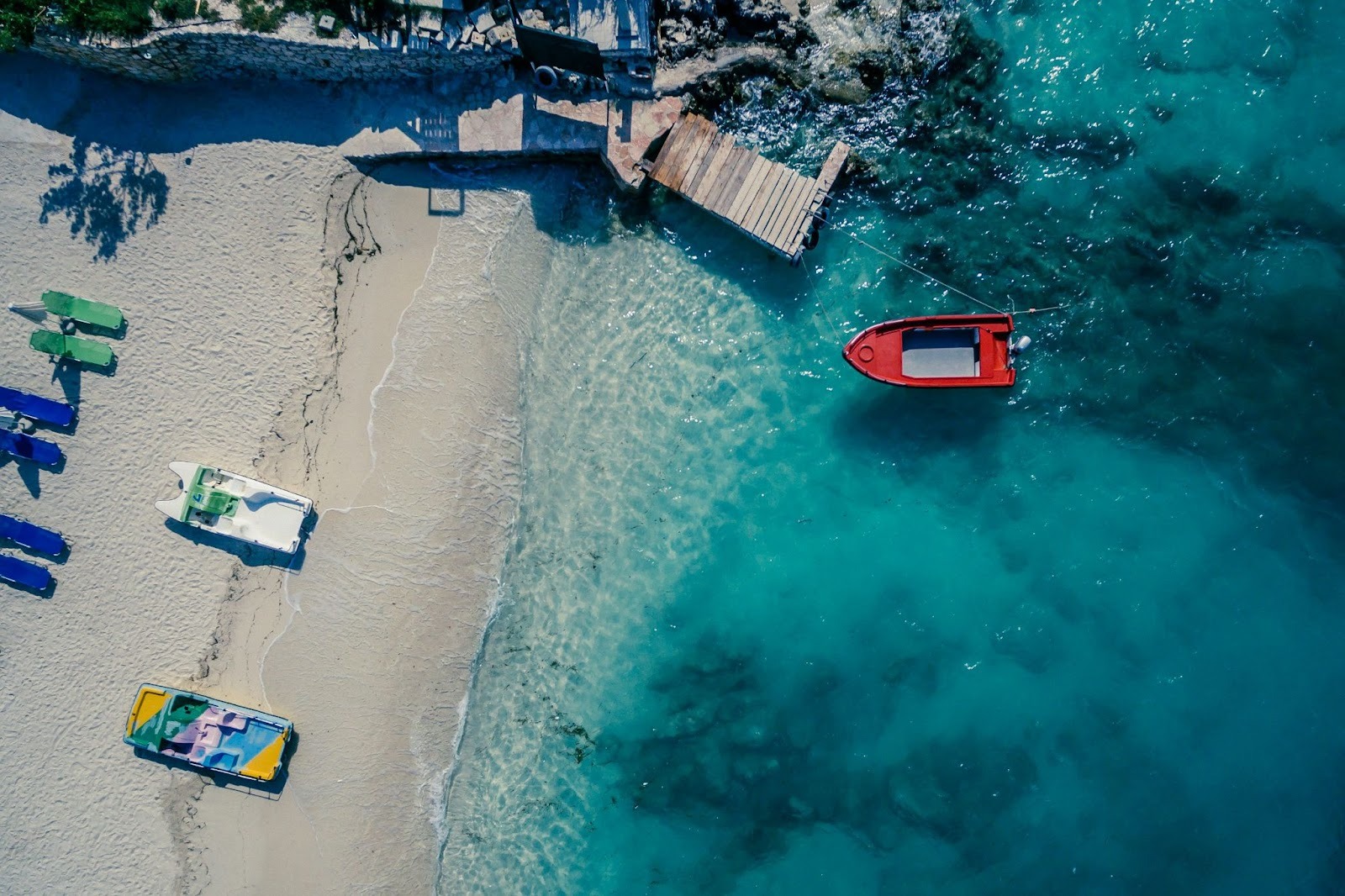
Why Albania is in the TOP
Albania's main advantage is minimal base expenses in a European location. Even in the high season, prices for lodging and food here are much lower than in Croatia, Montenegro, or Italy. The country is not yet overcrowded with tourists, which keeps prices low and makes it easy to find great accommodation deals. An additional plus is a well-developed apartment rental market. Private lodging options predominate over large hotels, making it easy to find an option for any budget without relying on tour operators.
Cost of vacation
-
Accommodation in apartments — from $25–40 per night.
-
Food — from $15 per day per person in local cafes and taverns.
Best resorts
-
Saranda is perfect for a beach vacation with clear water.
-
Vlora offers a mix of beaches and urban amenities.
-
Durrës is convenient for short trips and sightseeing.
When to go
-
July–August is the high season with warm sea and stable weather.
-
May–June and September are the most advantageous periods: prices are lower, there are fewer tourists, and the climate is comfortable.
Money-saving lifehacks
-
Plan your trip without renting a car. Bus connections between resort towns are well-developed and far cheaper than car rental.
-
Choose accommodations in residential neighborhoods of coastal towns rather than right by the waterfront. You’ll still be within walking distance of the sea, but prices are lower.
-
Travel in September, when the sea is still warm but the cost of lodging and food drops significantly.
What to see for free
-
In areas around Saranda and Vlora, you can swim and walk along the coast without renting lounge chairs, especially on municipal sections outside fully equipped beaches.
-
In the historic part of Saranda and in central Vlora, narrow streets, waterfront promenades, and city squares have been preserved, offering a chance to experience the local atmosphere.
-
Scenic viewpoints and coastal walking routes are open to visitors with no entrance fees.
6. Morocco — affordable exotic destination with rich culture
Why Morocco is in the TOP
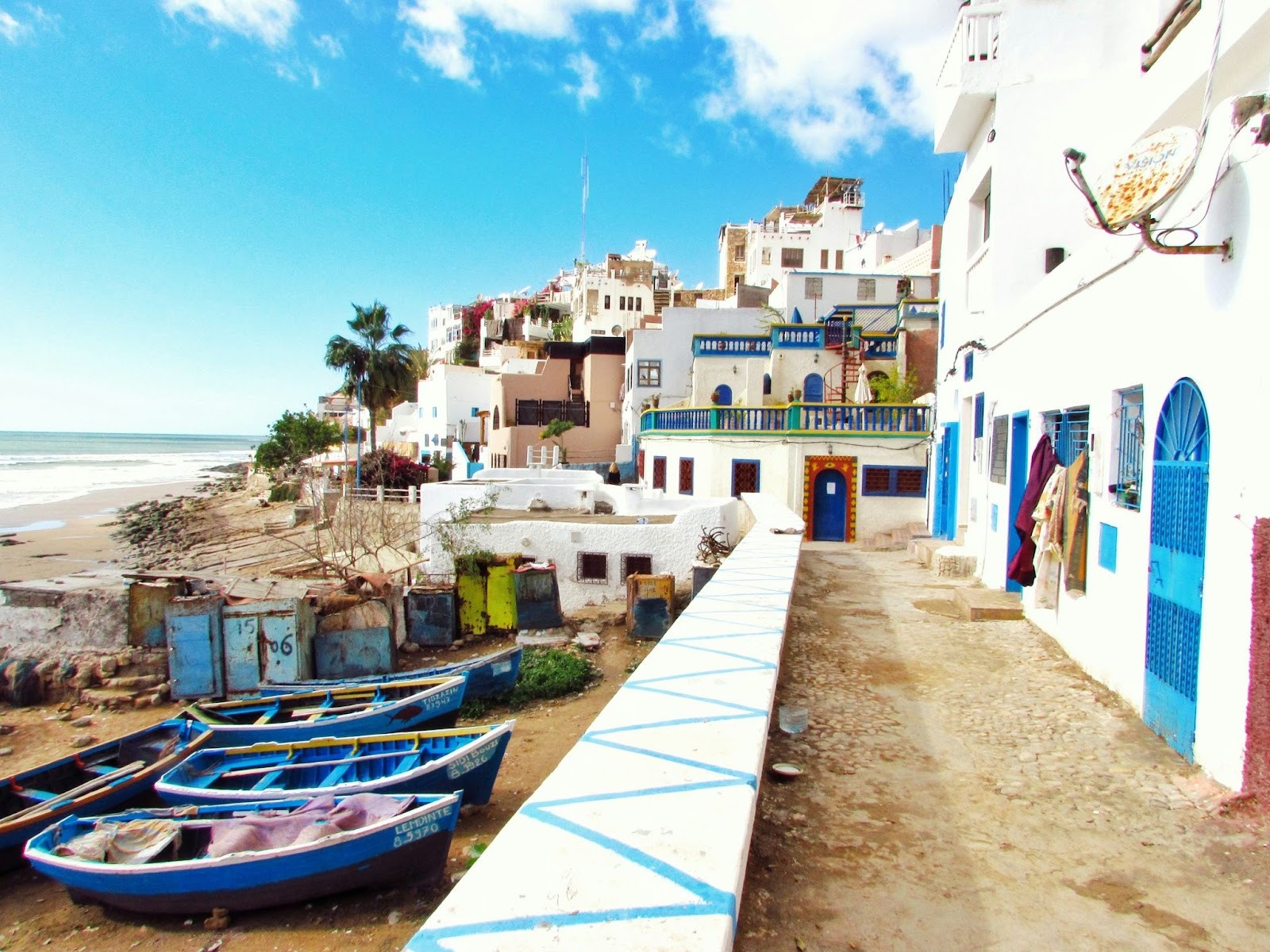
Morocco’s main advantage is low on-the-ground expenses paired with a rich itinerary. Lodging, transport, and food are inexpensive, especially if you plan the trip independently. Another plus is the traditional style of accommodations. Riads and small guesthouses allow you to stay in the center of old cities without overpaying for chain hotels.
Cost of vacation
-
Accommodation in riads and guesthouses — from $30–45 per night.
-
Food — from $8–12 per day per person when choosing local spots.
Best destinations
-
Marrakech is great for cultural and sightseeing trips.
-
Essaouira is chosen for its Atlantic coastline and relaxed atmosphere.
-
Fes is ideal for exploring the country’s history and heritage.
When to go
-
March–May and September–November are the most comfortable periods weather-wise.
-
Summer is good for coastal areas, but it’s very hot in the cities.
Money-saving lifehacks
-
Stay inside the medina rather than in the new districts. Staying in old quarters is often cheaper and allows you to avoid daily transport costs, as main attractions are within walking distance.
-
Plan shopping and dining for the morning hours and haggle. In the mornings, markets and small shops have lower prices and a wider selection, and bargaining can further reduce costs and avoid the “tourist markup.”
-
Agree on the price of services in advance. In Morocco it’s customary to discuss the cost before the service begins — whether it’s a taxi ride, a hammam, or a private tour. A clear agreement prevents surprise charges and keeps your budget under control.
What to see for free
-
The medinas of old cities and historic districts are perfect for self-guided walks without organized tours. In Marrakech, this means wandering through the maze-like medina with its traditional architecture and inner courtyards; in Fes, the old city of Fes el Bali offers hours of exploration along artisan streets with no entrance fees.
-
City squares and markets are open for exploration and provide a glimpse into daily life. Jemaa el-Fnaa square in Marrakech and the local markets in Essaouira are fascinating both by day and night, with no need to pay for a tour.
-
Seaside promenades and walking areas in coastal cities invite leisurely strolls. In Essaouira and Agadir, you can walk along the ocean, watch fishing boats, and enjoy sunsets without additional costs.
7. Bulgaria — Budget Beach Vacation in Europe

Why Bulgaria is in the TOP
Bulgaria’s main advantage is low costs while offering a European-style vacation. Even in resort areas, prices are much lower than in most Mediterranean countries.
Cost of vacation
-
Accommodation in apartments and 3-star hotels — from $25–40 per night.
-
Food — from $10–15 per day per person when choosing local cafes.
Best resorts
-
Sunny Beach is great for an active and affordable vacation.
-
Varna offers a combination of beaches and city infrastructure.
-
Burgas is convenient for relaxed trips and walks.
When to go
-
July–August is the high season with warm sea.
-
June and September are the most advantageous months in terms of price-to-weather ratio.
Money-saving lifehacks
-
Book accommodations in small family-run hotels or apartments rather than large resort complexes.
-
Eat at establishments away from the first line and tourist streets, where prices are lower for comparable quality.
-
Use regional buses and trains to travel between cities instead of taxis.
What to see for free
-
Outside the central tourist zones of Varna and Burgas, you can swim, walk along the shore, and enjoy time by the sea without renting lounge chairs or incurring extra costs.
-
The Sea Garden in Varna and the coastal promenades in Burgas are great for walks, relaxation, and seaside sunsets at no cost.
8. India — One of the Cheapest Destinations in the World

Why India is in the TOP
India’s main advantage is the extremely low cost of living. Even in tourist regions, day-to-day expenses remain minimal compared to most Asian countries. An additional plus is developed domestic logistics. Trains, buses, and local transport allow you to travel around the country without significant expenses, which is especially important for trips lasting several weeks.
Cost of vacation
-
Accommodation in guesthouses and small hotels — from $15–30 per night.
-
Food — from $5–8 per day per person when choosing local cuisine.
Best destinations
-
Goa is great for a beach vacation.
-
Kerala is geared towards a peaceful experience and nature.
-
Delhi and Jaipur are ideal for sightseeing itineraries.
When to go
-
November–March is the most comfortable period weather-wise.
-
April and October are suitable for more budget-friendly trips.
Money-saving lifehacks
-
Choose second-tier cities over the “postcard” destinations. For example, stay not in the central tourist areas of Goa but in neighboring villages or smaller towns — you’ll get the same nature and climate at a much lower cost for lodging and food.
-
Use state trains with advance booking, instead of private transport. The Indian railway with early booking costs many times less than tourist transfers and allows for comfortable long-distance travel without overpaying.
-
Use local laundries and everyday service providers. They cost next to nothing in India, which is especially beneficial for trips of 10–14 days or more and helps avoid overpaying for luggage and everyday items.
What to see for free
-
Beaches in Goa and other coastal areas are accessible for free along the entire coastline. In areas like Arambol, Mandrem, and Palolem, you can swim, walk by the ocean, and watch the sunset without renting chairs or paying any fees.
-
Temples and religious sites are open to visit without tickets. Hindu temples in local neighborhoods and the Catholic churches of Old Goa let you experience the country’s religious and cultural life without guided tours.
-
City markets and historic quarters are suitable for independent walks. Markets in Anjuna and Mapusa, as well as the old districts of Panaji, give insight into daily life and regional architecture with no extra cost.
9. Colombia — One of the Most Affordable Destinations in South America

Why Colombia is in the TOP
Colombia’s main advantage is low day-to-day expenses paired with a good level of service. Even in popular cities, the cost of lodging and food remains much lower than in most Latin American countries. Another plus is developed domestic logistics. Buses and domestic flights are inexpensive, allowing for flexible route planning without significantly increasing the budget.
Cost of vacation
-
Accommodation in apartments and small hotels — from $20–35 per night.
-
Food — from $6–10 per day per person at local establishments.
Best destinations
-
Medellín is great for an urban stay and city walks.
-
Cartagena is geared towards beach time and historic architecture.
-
Santa Marta is convenient for combining seaside relaxation with nature excursions.
When to go
-
December–March is considered the most comfortable period.
-
April and November are suitable for more budget-friendly trips.
Money-saving lifehacks
-
Stay in neighborhoods aimed at the local middle class, not tourist districts. In such areas, lodging is cheaper, infrastructure is good, and prices in cafes and shops are set for locals, not visitors.
-
Use combined “city + surroundings” routes instead of constantly changing cities. Day trips from Medellín or Bogotá allow you to see nature and small towns without the cost of moving and changing accommodation.
-
Plan meals around daily set lunch specials. In Colombia, fixed-price lunch specials are common and, in terms of volume and quality, can replace two meals, significantly cutting costs.
What to see for free
-
Historic quarters of cities are perfect for independent walks without tours. In Cartagena, this is the walled old town with colonial architecture; in Medellín, it's districts with pedestrian streets and urban architecture where you can walk without entrance fees.
-
Waterfronts and viewpoints are open for free visits. Walks along the coast in Cartagena and panoramic points overlooking Medellín offer cityscapes and sunsets without organized tours or extra costs.
10. Hungary — Affordable Europe Destination with Rich Culture
Why Hungary is in the TOP
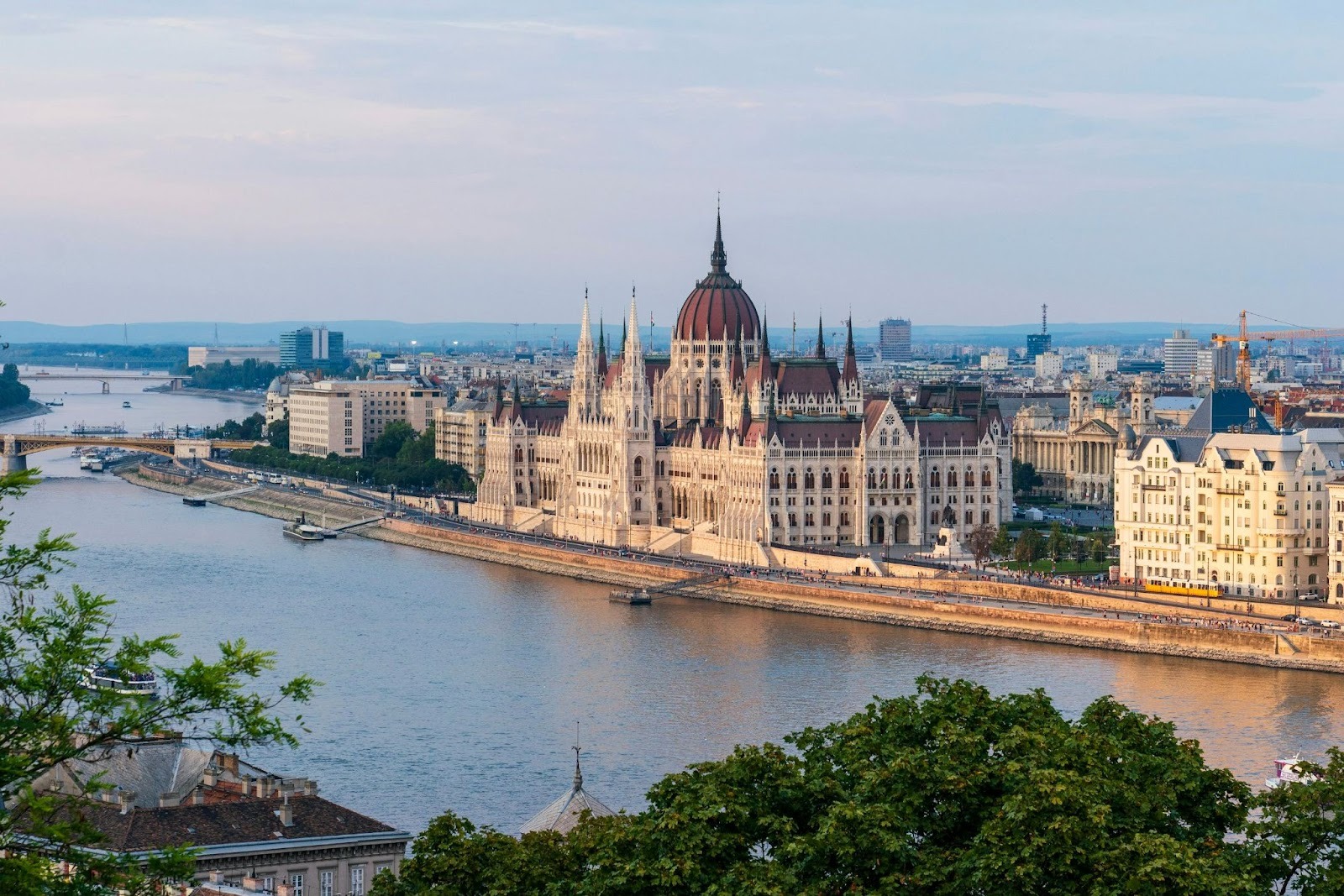
Hungary’s main advantage is lower prices compared to Western Europe while providing a similar level of comfort. Even in the capital, expenses for lodging and food remain moderate, especially if you book independently. Another plus is the country’s compact size. Most places of interest are a short distance from each other, which cuts transportation costs and simplifies trip planning.
Cost of vacation
-
Accommodation in apartments and 3-star hotels — from $30–45 per night.
-
Food — from $15–20 per day per person if you choose local cafes.
Best destinations
-
Budapest is ideal for an urban and sightseeing vacation.
-
Hévíz is popular for its thermal baths.
-
Eger is interesting for its historic atmosphere and wineries.
When to go
-
May–June and September are the most comfortable and advantageous periods.
-
Summer is great for city walks, though tourist numbers are higher.
Money-saving lifehacks
-
Plan your thermal bath visits by timing, not just location. Visiting in the early morning on weekdays lets you enjoy the same thermal complexes without overpaying and with fewer tourists, preserving the quality of the experience.
-
Use city markets as an alternative to cafes. In Budapest and other cities, markets offer ready-made food and local dishes at prices lower than restaurants, with good quality and large portions.
-
Choose accommodations near transit hubs rather than next to major attractions. Staying by a metro or tram line allows quick trips into the center while significantly cutting accommodation costs.
What to see for free
-
Historic districts of Budapest are perfect for independent walks without tours.
-
The Danube embankments and bridges are open to visit any time. Walks along the river, crossing the Chain Bridge and Liberty Bridge offer panoramic city views and are especially impressive at sunset.
-
Városliget Park and the viewpoints on Buda's hills are suitable for relaxation, walks, and photos without needing to buy tickets or join organized tours.
How to Save on Vacation: 10 Proven Ways
-
Book tours in advance and lock in the price.
-
Track last-minute deals 7–14 days before departure.
-
Plan trips in the low season.
-
Choose 3–4-star hotels.
-
Eat at local cafes.
-
Use tour package aggregators.
-
Rent apartments for trips longer than a week.
-
Compare package tours and independent travel before booking.
-
Do not exchange currency at airports.
-
Arrange your travel insurance in advance.
Visa Nuances to Consider
When planning a budget trip abroad, it’s important to check visa requirements in advance, as they directly affect the total cost and timing of your trip. Some countries in this list allow visa-free entry or visa on arrival, which simplifies travel planning and reduces associated expenses.
Asian and Latin American destinations such as Vietnam, Thailand, Indonesia, Mexico, India, and Colombia generally offer visa-free entry or simplified visa rules for tourists. However, the length of stay and conditions can vary depending on your citizenship.
The European countries on the list require special attention. Bulgaria and Hungary are part of the Schengen zone, so travelers from certain countries will need a Schengen visa. Albania often allows visa-free entry during the tourist season, but rules can change from year to year and depending on the traveler’s nationality. Morocco has its own visa regime, which also depends on the passport you hold.
Before booking a trip, it is crucial to check the current visa requirements in advance, considering citizenship, intended length of stay, and purpose of travel. Entry rules and visa-free periods can change, so it’s wise to verify them before planning your route and budget. The visa section contains up-to-date information on entry conditions for different countries and destinations.
More articles on this topic

21.05.2026
Digital Nomad Visa: countries, taxes, income requirements, underrated destinations

15.05.2026
Business-Based Residence in Serbia: Sole Proprietor, LLC and Real Activity Requirements

30.04.2026
Germany Opportunity Card: requirements, points, costs & application plan

23.04.2026
Apostille and translation for Visa & Residence Permit: what documents you need and common mistakes

