09.01.2026
Family Vacations Abroad: Top Countries and Resorts for Family Travel

Where to go on a beach vacation with kids? We’ve compiled a list of the best countries for a family vacation, covering prices, resorts, and entertainment. Mexico, USA, Jamaica, Barbados, and other popular family destinations.
In this article, we’ll look at the most suitable countries for a family vacation abroad with children — both well-established, popular destinations and additional options for travelers seeking new routes. The overview includes Mexico, the Dominican Republic, Costa Rica, Aruba, the USA, Turks and Caicos, Barbados, The Bahamas, Jamaica, and Curaçao. We’ll also cover promising and alternative family travel destinations such as Panama, Honduras, Colombia, Cuba, and Puerto Rico.
-
Optimal flight duration with kids — up to 5–6 hours.
-
Best destinations — countries with developed family-friendly infrastructure and sandy beaches.
-
All-inclusive format simplifies vacations with children of any age.
-
It’s important to consider visa requirements, seasonality, and access to medical care.
-
Family-friendly hotels and proper adjustment to the climate help reduce travel stress.
Why Are These Countries the Best for Vacations with Kids?
Choosing a destination for a family vacation requires more careful consideration than planning a standard trip. It’s not just about beautiful beaches, but also dozens of practical factors affecting a child’s comfort and safety.
Climate and Seasonality
The best countries for family vacations offer a mild climate without extreme temperature swings. This reduces physical strain and makes it easier for children to adapt.
Safety and Infrastructure
Well-developed tourist infrastructure, good roads, reliable hotels, high safety standards, and straightforward logistics are especially important for families with children.
Flight Duration
A flight of up to 5–6 hours is considered optimal. Such a trip is easier on kids and doesn’t require complex preparation.
Visa Requirements
Visa-free or simplified entry significantly facilitates trip planning and reduces the level of stress prior to travel.
Beaches
For family vacations, sandy beaches with a gentle entry and shallow water are preferred, allowing children to swim safely.
Family-Friendly Hotels
A family-oriented hotel offers a kids’ club, organized activities, a heated swimming pool, a playground, babysitting services, and cribs on request.
Medical Care and Pharmacies
The availability of clinics, pharmacies, and pediatricians nearby is a mandatory factor when choosing a destination.
Food
All-inclusive dining options, a children’s menu, high chairs, and the ability to select familiar food options for a child are important considerations.
Entertainment
Water parks, zoos, theme parks, and child-friendly excursions make the vacation engaging and enjoyable.
Value for Money
The best destinations provide a high level of service without unjustifiably high costs.
Top Countries for Beach Vacations with Kids
Mexico (Cancún, Riviera Maya, Playa del Carmen, Los Cabos, Tulum)
Mexico’s Caribbean coast is well suited for family vacations. Long sandy beaches, a wide selection of all-inclusive resorts, convenient transportation within the Riviera Maya, and a variety of attractions beyond the beach make this destination comfortable for traveling with children. Mexico is particularly suitable for families with children aged 4–5 and older, as well as teenagers, thanks to the combination of engaging activities and relatively straightforward trip planning.
What to Do with Kids:
-
Xcaret Park: Underground rivers, wildlife enclosures, a butterfly pavilion, a coral aquarium, and an evening show. This “nature + culture” format is usually appealing to the entire family.
-
Xel-Há: A natural water park near Tulum with safe areas for swimming, snorkeling, and all-inclusive activities available on site.
-
Cenotes in the Tulum and Playa del Carmen area: Swimming in freshwater and short, non-exhausting excursions (just be sure to choose spots with proper entrances and life jackets).
-
Playa Norte (Isla Mujeres): A beach day at Playa Norte offers calm water and a convenient, kid-friendly outing without long transfers.
-
Los Cabos: Boat trips to see El Arco and beaches with a more “oceanic” character. This area is more often chosen by families with teenagers and those interested in active pursuits.

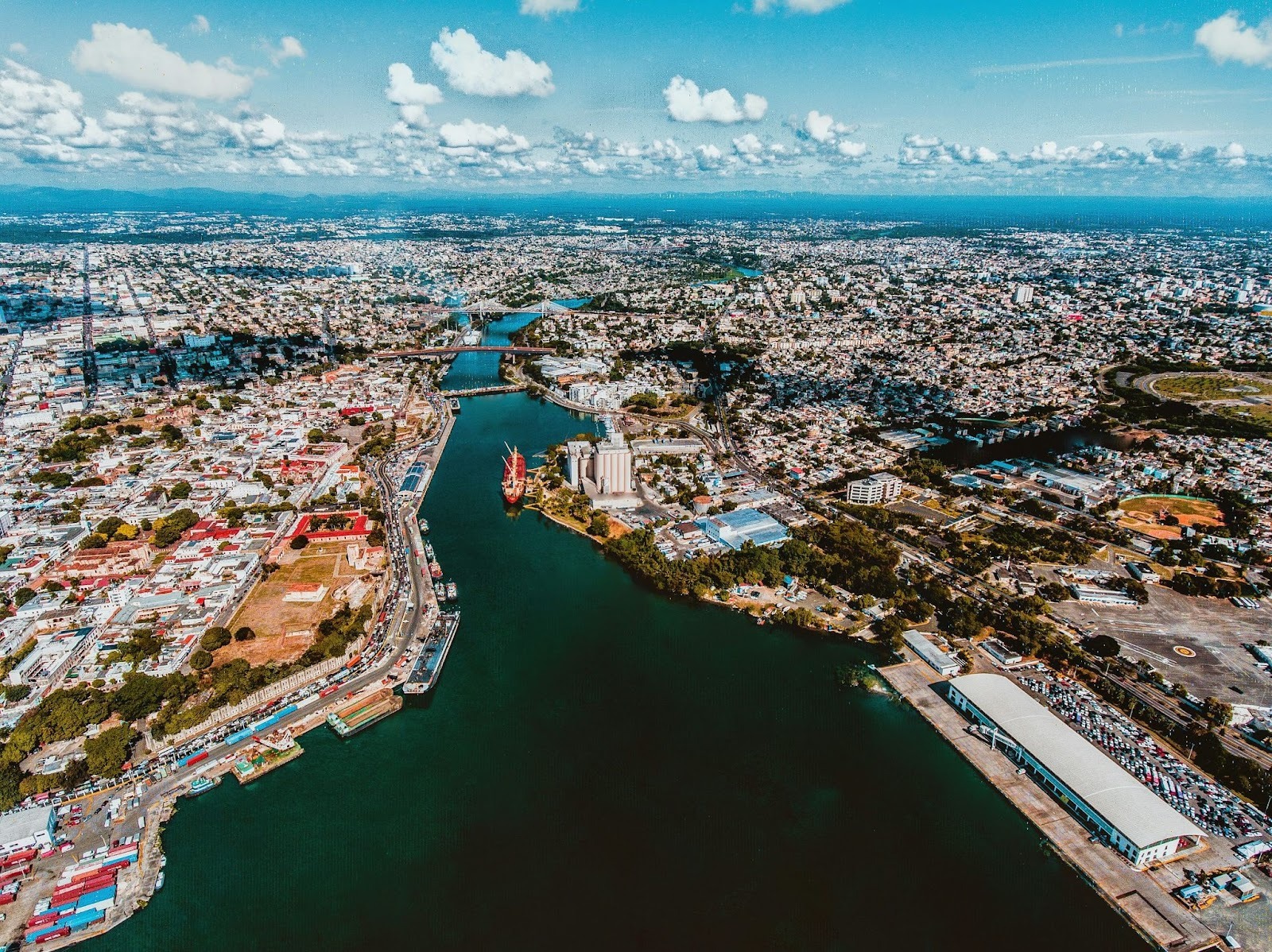
Dominican Republic (Punta Cana, Bávaro, Santo Domingo)
The Dominican Republic is focused on providing a highly comfortable family vacation experience. Large resort complexes offer extensive children’s infrastructure, including kids’ clubs, swimming pools, animation programs, and evening activities for kids. The beaches of Punta Cana and Bávaro have broad sandy shorelines and gentle entries into the sea, making them suitable for children, although during some periods the waves can be more active.
What to Do with Kids:
-
Scape Park Cap Cana: A nature adventure park with jungle trails, the Blue Hole cenote, a mini-zone for little ones (Mini Scape), walking paths, and family activities.
-
Dolphin Explorer (for families interested in marine activities): An interactive experience with marine animals combined with an educational component; it is important to check age restrictions and rules in advance.
-
Light day excursions: Boat rides to nearby islands (often by catamaran) with swimming and sandbar stops — great for kids who handle water and sun well.
-
Santo Domingo: The historic center makes for a half-day walking tour for families with teenagers (best to go in the morning to avoid the midday heat).
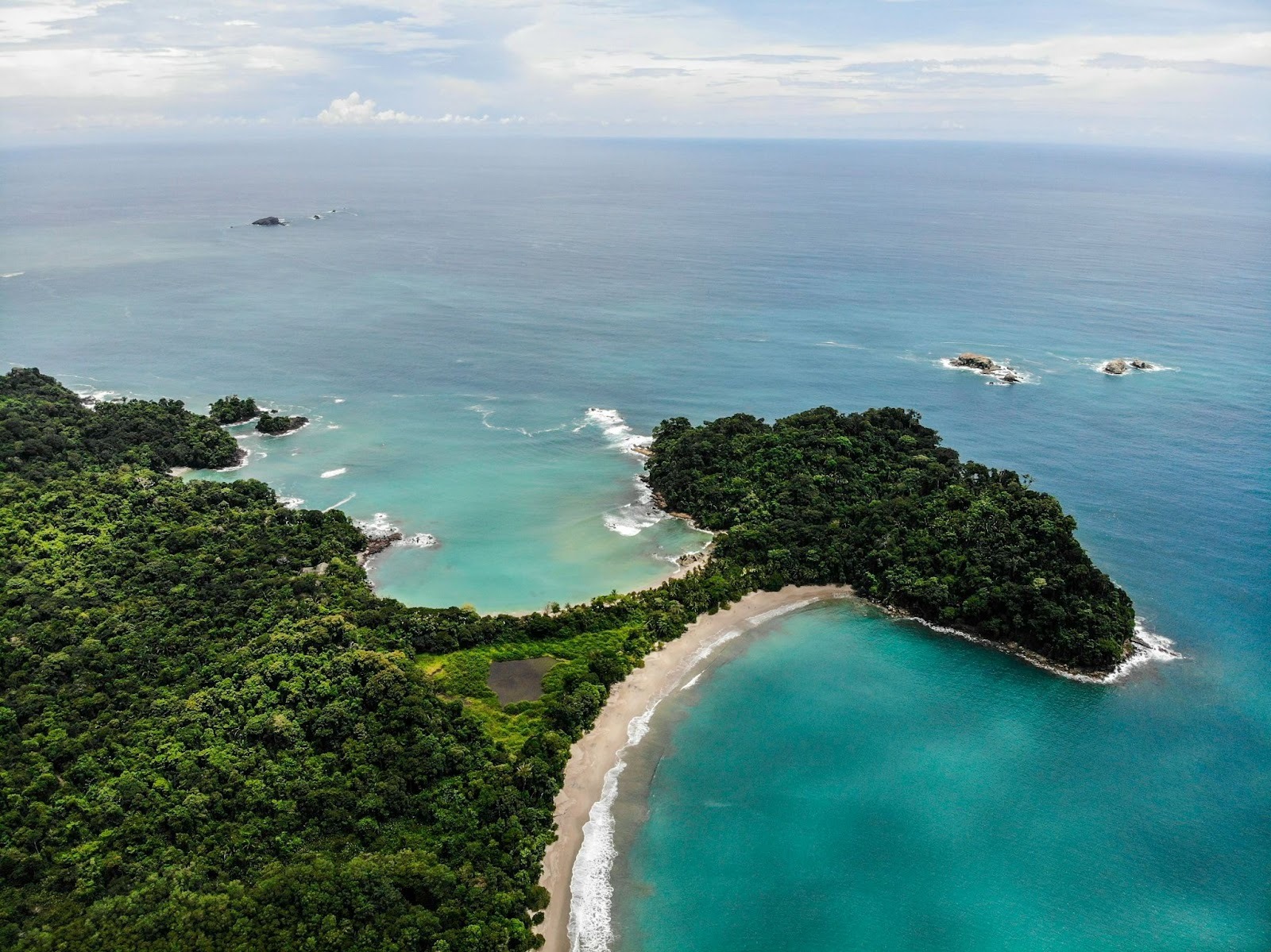
Costa Rica (Guanacaste, Manuel Antonio, Tamarindo)
Costa Rica is a great choice for families who are looking for more than just a beach vacation and want a strong nature-focused experience. The country is famous for its national parks, rich wildlife, and variety of activities that don’t require intense physical effort, making the itinerary comfortable for traveling with children. In addition to beaches, many areas offer surfing lessons for older kids. This destination is ideal for families with children aged 6–7 and older, as well as teenagers.
What to Do with Kids:
-
Manuel Antonio National Park: Short trails, monkeys, and beautiful beaches inside the park — an excellent “nature and sea in one day” option.
-
Playa Espadilla (near the park): A spacious beach with a gentle entry and facilities; perfect for a family beach day.
-
Mangrove boat tours: Boat rides through mangrove forests — easy even for younger kids, with frequent sightings of birds and wildlife.
-
“Safari float” (calm river rafting): A gentle nature-focused experience that emphasizes observation rather than adventure or extreme activity.
-
Tamarindo: Surf lessons for kids (with an instructor) and sunset walks; often chosen as a more lively resort destination.
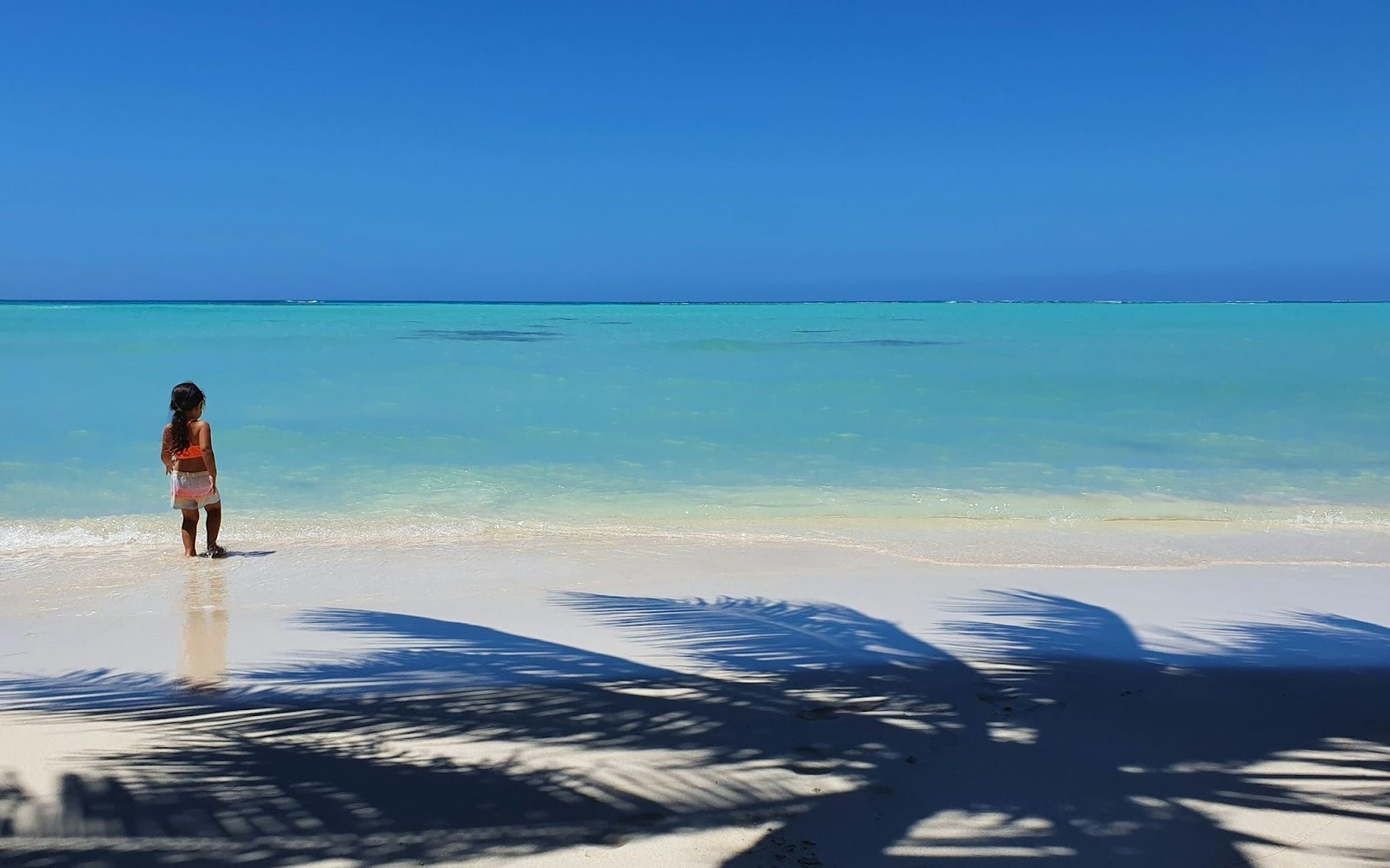
Aruba (Eagle Beach, Palm Beach, Baby Beach)
Aruba is valued for its high level of safety, stable weather conditions, and well-equipped beaches. The destination is convenient for family vacations thanks to the island’s compact size and simple logistics with no long transfers. Baby Beach is especially popular with families because of its calm water and shallow entry, making it perfect for swimming with little children.
What to Do with Kids:
-
De Palm Island: A full-day “family island park” experience featuring water activities, a dedicated children’s area, water slides, snorkeling, and well-developed facilities.
-
Eagle Beach and Palm Beach: Walks along the shore, water bikes and SUPs (weather permitting), family-friendly cafes, and comfortable facilities.
-
Arikok National Park: Short trails and unique natural sights give you a chance to show your child some wilderness — best explored with a guide or on an organized tour.
USA (Florida Keys, Miami, Destin, San Diego, Maui)
The United States offers one of the widest ranges of family-friendly entertainment in the world — from aquariums and museums to theme parks, interactive exhibits, and world-class zoos. Thanks to the country’s vast size, families can choose a vacation format based on the region. The East Coast offers Atlantic resorts with extensive entertainment infrastructure, while the West Coast features the Pacific Ocean, national parks, and diverse excursion opportunities. This destination is especially good for families planning to combine a beach vacation with a rich sightseeing and entertainment program, including trips with school-age children.
What to Do with Kids:
-
Miami: The Phillip and Patricia Frost Museum of Science (planetarium, interactive exhibits, and an aquarium) — a great option for a day when you need to escape the heat.
-
Florida Keys: The Turtle Hospital (educational tours about rescuing sea turtles) — a very family-friendly and memorable experience.
-
Destin (Emerald Coast): Big Kahuna’s Water & Adventure Park — a water park with slides and family zones, plus dry activities like mini-golf.
-
San Diego: The San Diego Zoo and Safari Park, along with LEGOLAND California (which also has a water park and SEA LIFE Aquarium) — an ideal set of attractions that kids absolutely love.
-
Maui: The Maui Ocean Center (a marine-focused attraction for children) and a visit to Haleakalā National Park, with short scenic routes that can be easily incorporated into a family itinerary.
Major theme parks in the U.S. like Walt Disney World in Orlando and Disneyland in California are often part of family travel plans. These parks make the most sense to include when you’re traveling on the West Coast — for example, visiting them during a California or San Diego trip and combining the park days with the beach portion of your vacation. For East Coast trips (including Miami and the Florida Keys), such a combination is usually less convenient due to logistics and distance.

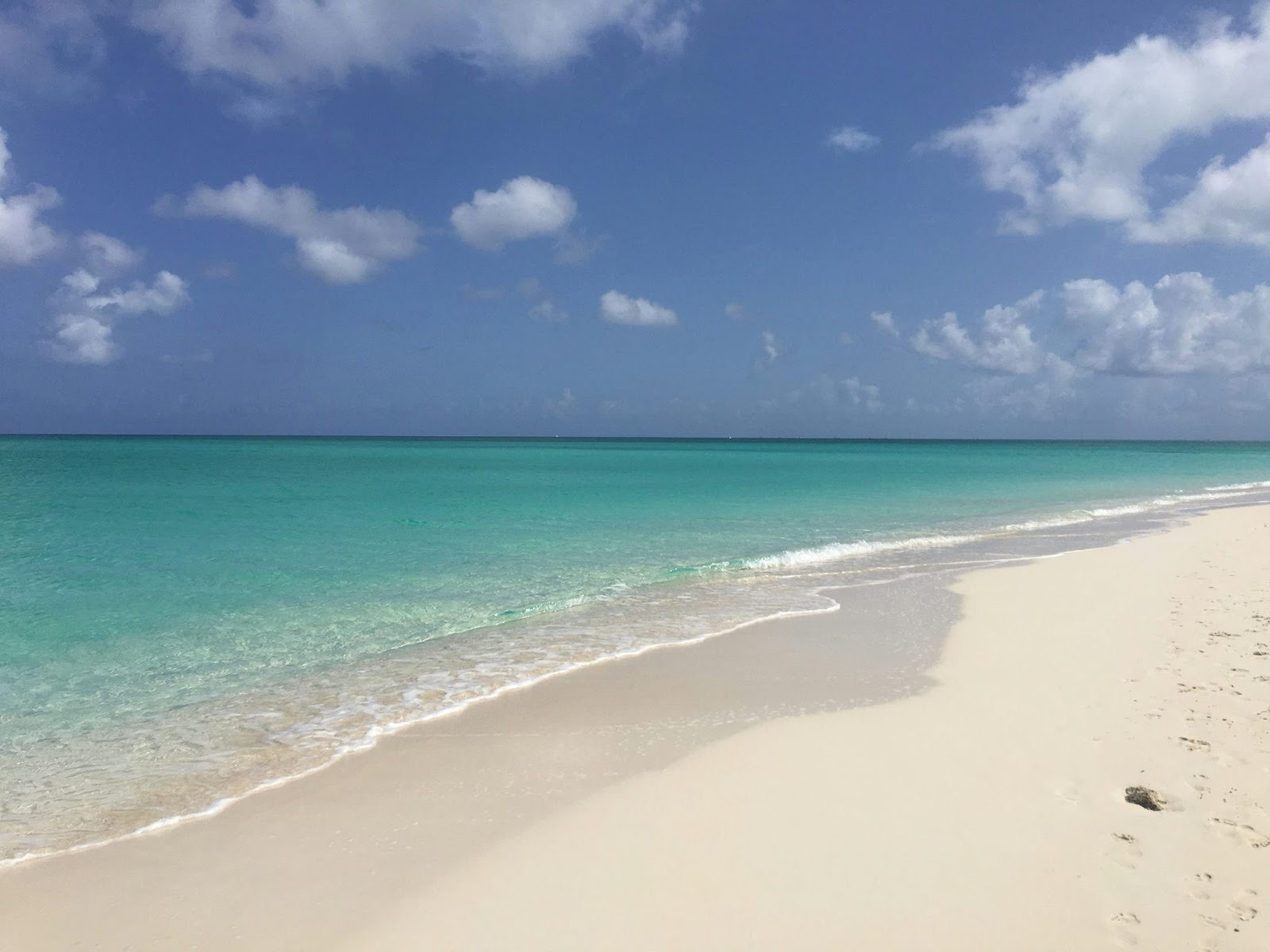
Turks and Caicos (Grace Bay, Providenciales)
Turks and Caicos is focused on a calm family vacation with an emphasis on high-quality beaches and minimal travel. In the coastal areas popular with families, the water is usually calm, creating comfortable and safe conditions for swimming with young children.
What to Do with Kids:
-
Grace Bay, Taylor Bay and Sapodilla Bay: These beaches are often recommended for families because of their calm, shallow waters and safe swimming conditions.
-
Snorkeling by the reef (best on short, family-friendly tours): A “see the fish and head back” format without overloading the schedule.
-
Horseback riding on the beach: For older kids, this can be one of the most unforgettable family experiences.
Barbados (Carlisle Bay, Mullins Beach, Crane Beach)
Barbados stands out for its combination of beach relaxation and a variety of attractions that can be accessed without long transfers. Family-friendly beaches are suitable for full-day relaxation, while natural sites and sightseeing attractions allow visitors to diversify the itinerary and enrich the trip with new experiences.
What to Do with Kids:
-
Carlisle Bay: A calm bay for swimming and snorkeling, often chosen for a relaxed family day by the water.
-
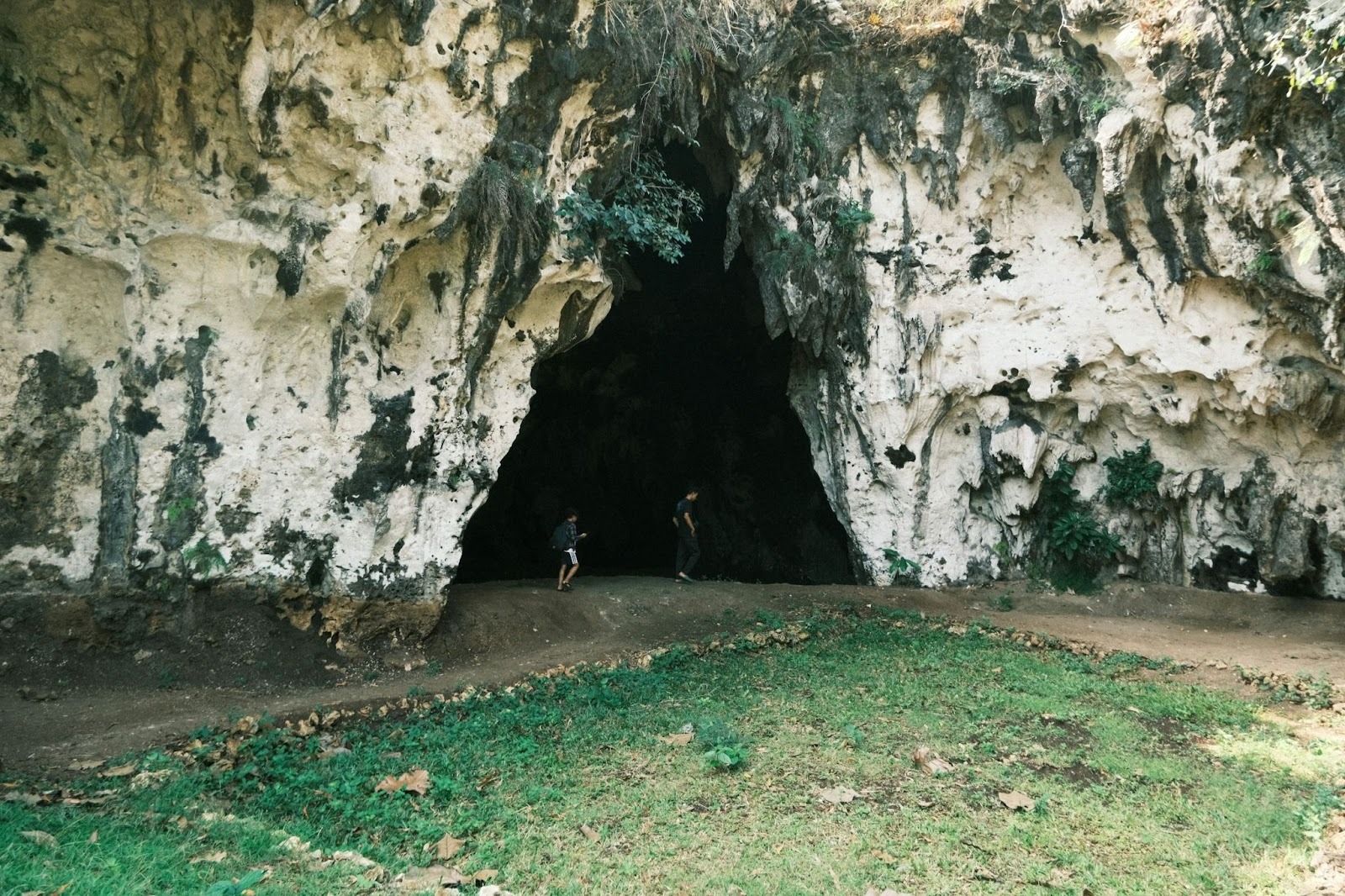
Harrison’s Cave (Eco-Adventure): A cave complex with a comfortable visitor format that is usually engaging for children.
-
Crane Beach: A picturesque beach frequently selected for short visits and photo walks combined with swimming. It is less commonly used for daily beach time, as water conditions may vary depending on weather and wave activity.
-
Animal Flower Cave: A dramatic sea cave with great views and a sense of adventure that appeals to children.
The Bahamas (Nassau, Paradise Island, Exuma)
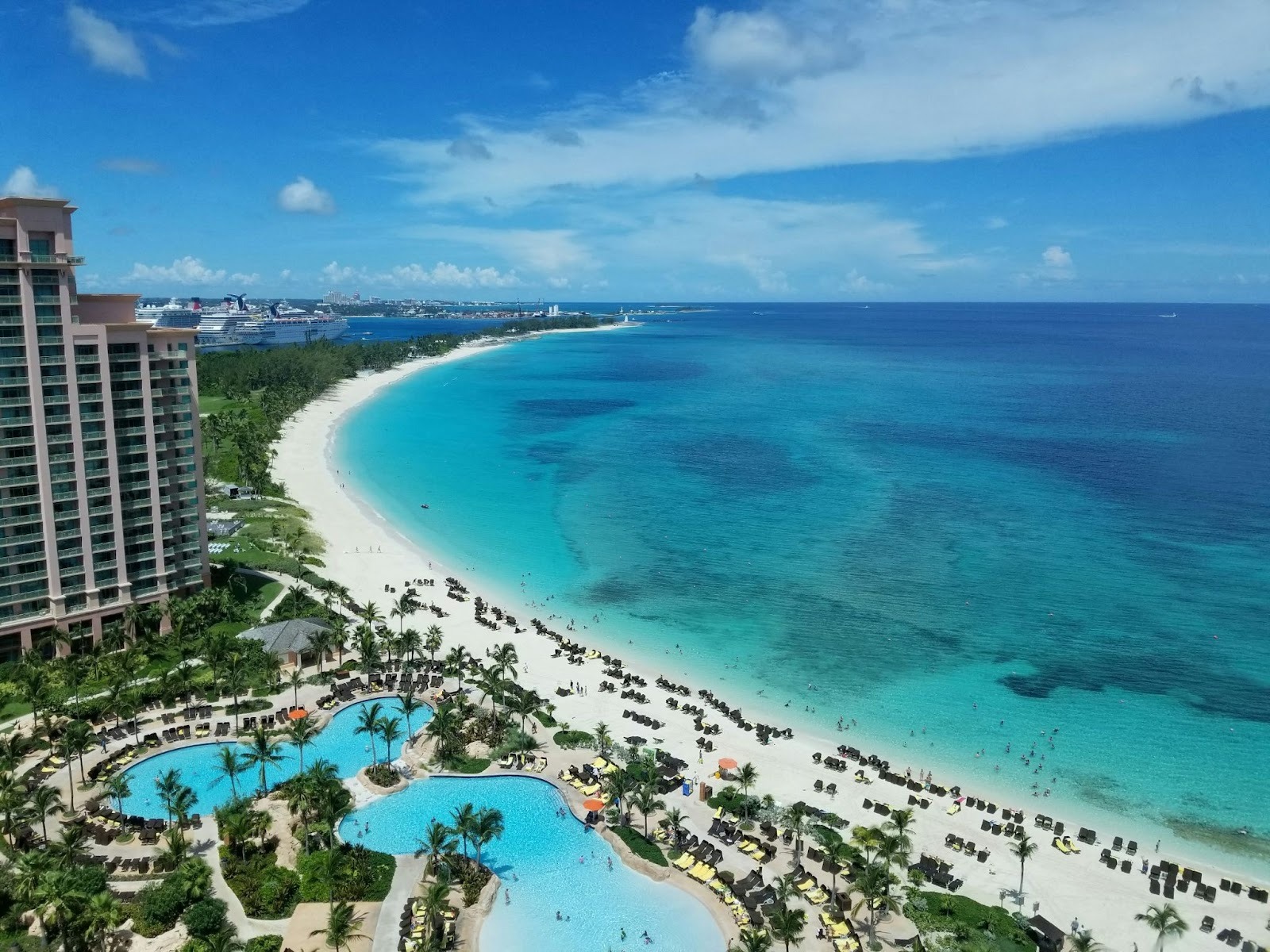
The Bahamas are a convenient choice for family vacations thanks to their well-developed resort infrastructure and wide array of activities. Here you can easily combine beach time with water park visits and marine excursions, creating a packed itinerary without complicated logistics or long travel.
What to Do with Kids:
-
Atlantis Aquaventure (Nassau / Paradise Island): A huge water park with pools and slides — a classic choice for family fun.
-
Exuma and island boat tours: Tours featuring beaches and stops in lagoons, often described as the most memorable day of the trip.
-
Swimming pigs excursion (from the Nassau area or nearby islands): A popular family activity, especially for children who enjoy animals.
Jamaica (Montego Bay, Negril, Ocho Rios)
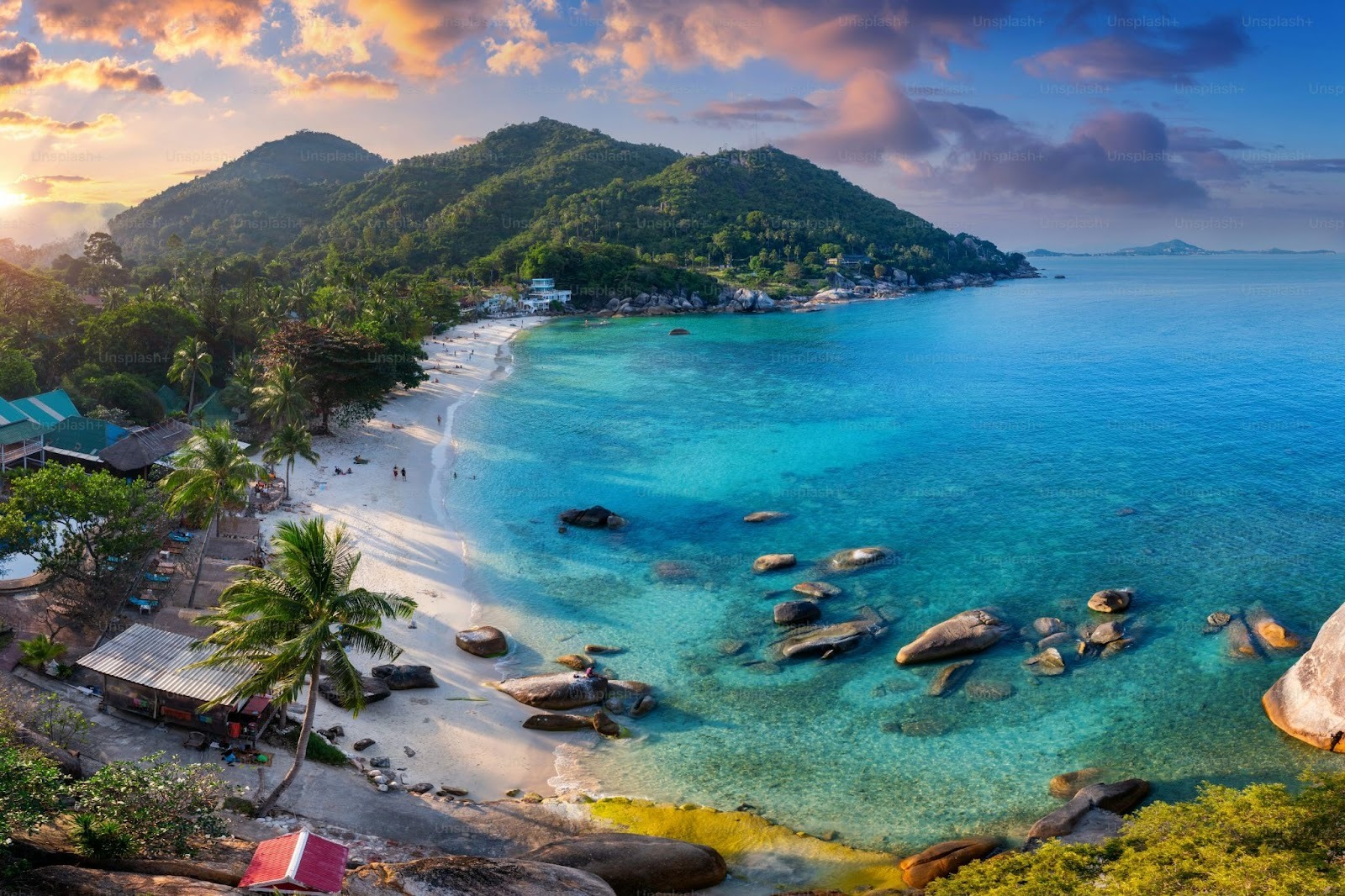
Jamaica offers a mix of beach relaxation and exciting natural adventures. It’s a great option for families with school-age children and teenagers, thanks to a range of activities like waterfalls, nature parks, adventure tours, and excursions that stay dynamic and fun for kids (not just passive sightseeing).
What to Do with Kids:
-
Dunn’s River Falls (Ocho Rios): Waterfalls and walking trails (it is best to choose a family-friendly format with a guide and appropriate footwear).
-
Mystic Mountain (Ocho Rios): An adventure park famous for its bobsled coaster and other jungle activities.
-
Negril: A relaxed beach setting and sunsets; often chosen as a more laid-back part of the trip after active days.
Curaçao (Willemstad, Mambo Beach, Cas Abao)
Curaçao is a convenient destination for family vacations thanks to its sheltered bays, well-developed and easy-to-navigate infrastructure, and the proximity of major attractions to beach areas. Many spots are close together and can be enjoyed in a single day without overloading the itinerary, which is especially important when traveling with children.
What to Do with Kids:
-
Mambo Beach: A lagoon-style beach with calmer water, nearby cafés, and supporting infrastructure; the Curaçao Sea Aquarium is located close by, making it ideal for a combined “beach + aquarium” family day.
-
Curaçao Sea Aquarium: Offers viewing exhibits and interactive programs (kids typically love this kind of “marine day” experience).
-
Cas Abao Beach: A beautiful beach for a day trip. It’s often recommended to bring water shoes and avoid the peak midday hours.
-
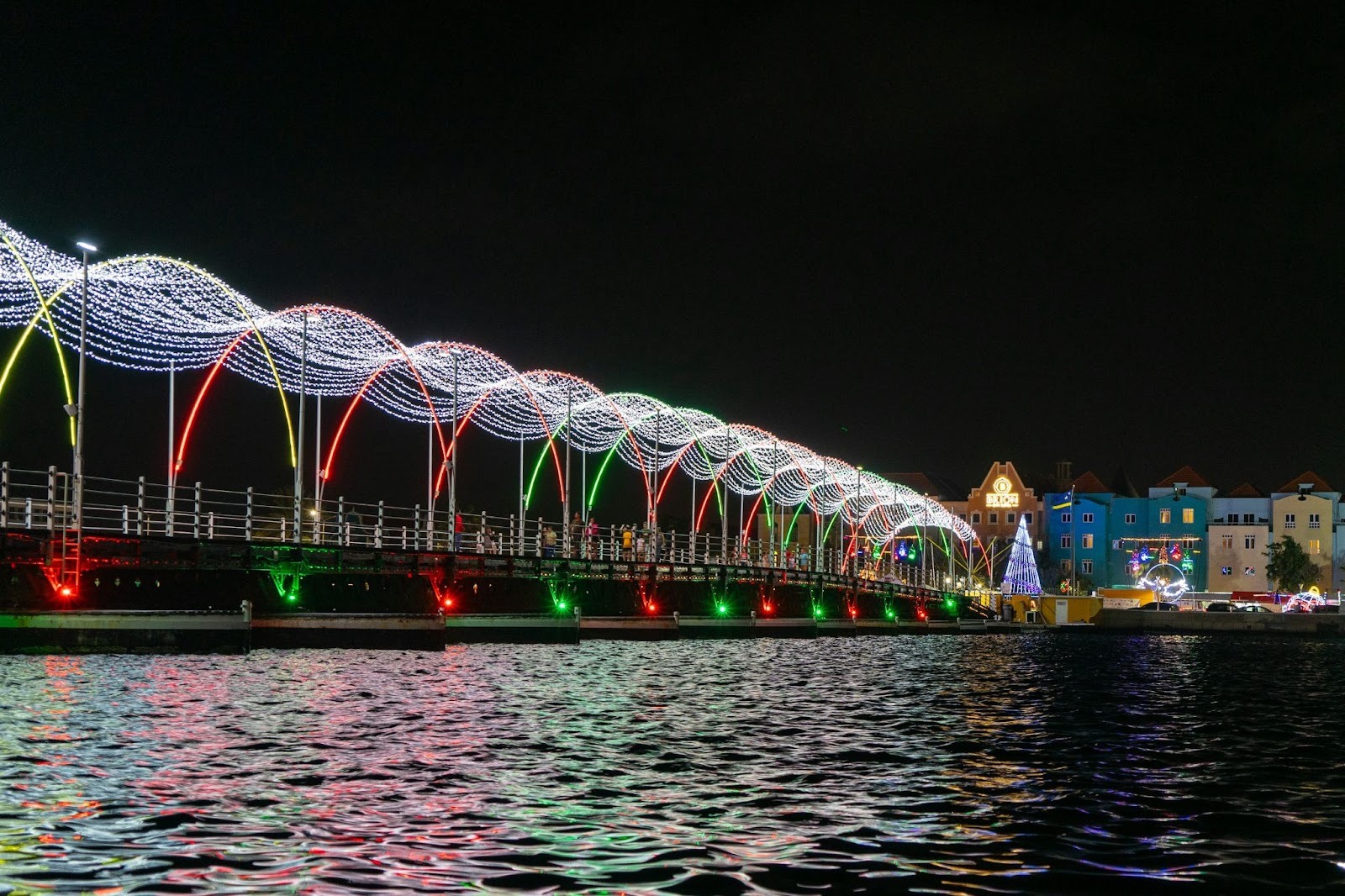
Willemstad: A walk along the waterfront and across the iconic bridge, offering a change of scenery and a city experience if a child gets tired of beach time
Up-to-date entry requirements for the countries listed — whether a visa is needed, whether visa-free entry is possible, and which documents are required — can be found on the Terrana website. Detailed information about obtaining visas for children is available here.
How to Choose the Perfect Hotel for a Vacation with Kids
When selecting a family-friendly hotel, it is important to focus not on the star rating, but on the actual conditions provided for children. Ideally, the hotel should be no more than 1–1.5 hours from the airport. The beach should be sandy, with a shallow, gentle entry into the water. A kids’ club (with programs for ages 4+), a children’s pool, and an on-site water park or water slides will greatly enhance your family’s stay.
Pay attention to the availability of a children’s menu, high chairs, cribs, and stroller-accessible facilities. Additional advantages include organized animation programs, a mini-disco, a playground, babysitting services, and an on-site pediatrician.
Practical Tips for Traveling with Children
Careful preparation for a trip with kids can significantly improve the quality of your vacation. The more everyday and logistical issues you resolve in advance, the smoother the journey will go for both you and your children.
What to Pack (Checklist)
-
Documents: Passports for all family members, the child’s birth certificate, notarized consent for travel (if required), and medical insurance covering children.
-
First-aid kit: A basic set of medications considering the child’s age and your pediatrician’s recommendations.
-
Clothing: Sun hats, breathable clothing, swimsuits, and a light jacket or sweater for the evenings.
-
For toddlers: Diapers for the first few days, wet wipes, bottles, pacifiers, and baby food (especially if the child is accustomed to a specific brand).
-
For comfort during travel: Favorite toys, books, coloring books, and a tablet preloaded with cartoons and games.
-
Stroller: A lightweight, foldable model suitable for flights and sightseeing.
-
Beach gear: Sunscreen (SPF 50+), a sun hat, and water shoes (essential for pebble or coral beaches).
How to Manage a Flight with a Child
For many children, the flight is the most stressful part of the trip. To make it as easy as possible, be sure to prepare in advance. When booking, select seats with extra legroom or the first row if your budget allows. If you’re traveling with an infant under 22 lbs (10 kg), reserve a bassinet in advance. Children’s meals are best ordered at the time of ticket purchase rather than at the last minute.
Pack some age-appropriate entertainment in your carry-on luggage such as cartoons, travel-sized board games, stickers, and coloring books. During takeoff and landing, offer candy, water, or a pacifier to help reduce discomfort caused by pressure changes. For younger children, a night flight is often more convenient: the child sleeps through most of the journey, and adjustment tends to be gentler.
Adapting to a New Climate
Even in comfortable destinations, adapting to a new climate takes time. During the first 2–3 days, it is best to avoid intensive excursions and prolonged sun exposure, especially between 11:00 a.m. and 4:00 p.m. Monitor hydration carefully and ensure that water is always available. Introduce new foods gradually, starting with simple and familiar dishes. Try to maintain the child’s usual sleep and wake schedule, as this helps speed up adaptation and reduces the risk of fatigue.
Beach Safety
Beach vacations with children require constant attention. Use sunscreen with SPF 50+ and reapply it every two hours and after swimming. A hat is mandatory, even on cloudy days. Always keep drinking water on hand. For children who cannot swim confidently, use arm floaties or a swim ring. On pebble or coral beaches, water shoes are strongly recommended to prevent cuts and burns. Never leave children unsupervised, even in shallow water.
Travel First-Aid Kit for Kids
-
Fever reducers: Medications based on paracetamol (acetaminophen) or ibuprofen.
-
Allergy relief: Age-appropriate antihistamines.
-
Upset stomach: Sorbents and rehydration solutions for diarrhea or food poisoning.
-
Antiseptics: For treating minor cuts and scrapes.
-
Bandages: Adhesive bandages of various sizes and a roll of gauze bandage.
-
Sun protection: Sunscreen and a burn relief cream.
-
Insect bite treatment: Products to relieve itching and irritation.
-
Thermometer.
Having a well-prepared first-aid kit and basic first-aid supplies allows you to respond quickly to minor health issues without wasting time searching for medication in an unfamiliar country.
Traveling abroad with children can be calm, comfortable, and genuinely restorative if key factors are considered in advance — flight logistics, climate, hotel choice, safety, and adaptation. A well-chosen destination and a family-oriented travel format allow parents to relax while children gain new experiences without unnecessary stress.
More articles on this topic

21.05.2026
Digital Nomad Visa: countries, taxes, income requirements, underrated destinations

15.05.2026
Business-Based Residence in Serbia: Sole Proprietor, LLC and Real Activity Requirements

30.04.2026
Germany Opportunity Card: requirements, points, costs & application plan

23.04.2026
Apostille and translation for Visa & Residence Permit: what documents you need and common mistakes

