26.12.2025
Moving to Serbia: A Guide to Relocation, Temporary Residence, and Permanent Residency

How to move to Serbia for permanent residence: ways to obtain a residence permit, required documents, cost, and the best cities to live in. A step-by-step guide to immigrating to Serbia.
Key Facts:
-
Serbia maintains direct air connections with a number of non-EU countries and serves as a major transport hub in the Balkans. Belgrade’s international airport offers convenient transfers between Europe, the Middle East, and several CIS countries.
-
Citizens of certain countries can stay visa-free in Serbia for up to 30 days.
-
Visa runs are possible for short-term extensions of stay.
-
A residence permit can be obtained through starting a business, employment, purchasing real estate, or family reunification.
-
Permanent residence is available after 3 years of living in Serbia on a temporary residence permit.
-
Serbian citizenship can be acquired 3 years after obtaining permanent residence.
-
The cost of living in Serbia is lower than in most European countries.
-
The Slavic language and a similar mindset make adaptation easier.
Moving to Serbia in recent years has become one of the most straightforward and pragmatic relocation scenarios in Europe. The country offers visa-free entry, direct flights, a flexible migration policy, and an affordable cost of living. For many, Serbia becomes an intermediate step before moving to the EU or a permanent destination to live long-term.
This article covers all the key questions: from entry requirements and visa runs to obtaining a residence permit, permanent residence, citizenship, and actual expenses. The goal is to provide a step-by-step, practical guide on moving to Serbia for long-term stay and legalization.
Why Many Choose Serbia for Relocation
-
Direct flights and convenient logistics. Belgrade is a major regional air hub with direct flights and easy connections to countries in Europe, the Middle East, and the CIS, simplifying international travel and relocation.
-
Climate. Mild winters without severe frost, temperatures in winter often range from +12–17°C (+54–63°F), and summers are hot and dry.
-
Affordable cost of living. Belgrade is one of the most affordable European capitals. Rent starts from €360–500, and monthly grocery expenses for a family are around €350.
-
Simple legalization process. A temporary residence permit is typically issued in about 15 days. Permanent residence is available after 3 years, and citizenship after 6 years from the date of the first residence permit.
-
Safety. Low levels of street crime and a comfortable environment for families and the elderly.
-
Geography. Convenient location in the heart of the Balkans, about 350 km from the Adriatic Sea (Montenegro).
-
Healthcare and education. Free public healthcare is available for residents, private clinics offer affordable services, and university degrees are recognized in the EU.
Drawbacks of Moving to Serbia
-
Smoking in public places. In Serbia, smoking is permitted in restaurants, cafes, and bars, which may be unusual for those accustomed to strict restrictions in other European countries.
-
Employment challenges. The job market is limited, with an average salary of around €500. Most positions require knowledge of the Serbian language, and there is strong competition with local candidates. In smaller towns, job opportunities are minimal, so most employment and business activities are concentrated in Belgrade and other major cities.
-
Bank accounts. Opening a bank account in a Serbian bank is usually done after obtaining a residence permit. Having a residence permit significantly simplifies the process and allows you to open an account with a local bank without issues.
-
Travelling in Europe. Serbia is not part of the Schengen zone. For trips to Schengen countries, nationals of countries that require visas to the EU will need to obtain a Schengen visa according to the rules of their citizenship.
Do You Need a Visa to Enter Serbia?
For short-term stays, a visa is not required for citizens of many countries. Check the current visa requirements and entry conditions for your specific citizenship on the official Terrana website, as rules may change. The visa-free regime allows stays of up to 30 consecutive days.
Entry requirements:
-
A passport valid for at least 90 days after the planned departure date.
-
At least two blank pages in the passport.
Registration at your place of stay in Serbia, known as the “White card” (Bela karta), is a mandatory procedure for all foreign citizens and must be completed within 24 hours of entry into the country. This document records the foreigner's actual residential address and is used by immigration authorities to track stays. If you are staying at a hotel, or hostel, the accommodation provider will register you automatically at check-in. When renting an apartment from a private owner, the responsibility for registration falls either on the landlord or on the foreigner themselves (at the police station in their place of residence). The White card is required when submitting documents for a residence permit, opening a bank account, and during immigration inspections.
To extend a short-term stay, travelers often use visa runs — leaving Serbia for a neighboring country and then re-entering to get a new 30-day stamp. Time spent on visa runs does not count toward the residency period required for permanent residence or citizenship. In order to reside in Serbia long-term and accumulate time toward permanent status, you must obtain a temporary residence permit on one of the legal grounds. While visa runs are not illegal, they are considered by immigration authorities exclusively as a tool for short-term stays and are not intended for long-term immigration.
How to Move to Serbia: Ways to Obtain a Residence Permit
To stay in Serbia for more than 30 days, you will need to obtain a temporary residence permit. This status is required for long-term stays, employment, running a business, and for interacting with banks and government agencies. An initial temporary residence permit is typically issued for 1 year and can be renewed annually as long as you maintain the qualifying reason for your residency.
The period of residence under a permit counts toward the residency requirement: after 3 years of continuous residence, you can apply for permanent residence. Periods of visa-free stay and visa-runs do not count toward this period.
Grounds for obtaining a residence permit in Serbia include opening a business, official employment, purchasing property, family reunification, and education. Additionally, there is a basis for temporary residence for individuals with higher education recognized in Serbia. In practice it’s often called a residence permit for talent, although the law refers to it as temporary residence on the basis of professional qualification. With a diploma recognized in Serbia, you can obtain a temporary residence permit without an employment contract or business registration. Overall, the process of obtaining a Serbian residence permit is considered relatively straightforward and one of the most accessible in Europe.
Talent-Based Residence Permit in Serbia: What It Is and Who It’s For
Serbia has a separate legal basis for granting temporary residence permits to foreign nationals with higher education. In practice, this route is often referred to as a “residence permit for talent,” although official documents use the wording “temporary residence based on professional qualifications or education”.
This option is suitable for specialists with a higher education diploma who plan to relocate to Serbia without immediate employment or starting a business. Unlike classic “talent visa” programs in EU countries or the United Kingdom, the Serbian model is not competitive and does not require international recognition, publications, awards, or confirmed income from an employer.
The key requirement is holding a higher education diploma recognized in Serbia. To meet this requirement, applicants must undergo a nostrification procedure (recognition of a foreign diploma) through authorized Serbian institutions. Once the diploma is officially recognized, the applicant becomes eligible to apply for a temporary residence permit.
A residence permit based on higher education or professional qualification (often informally called a “residence permit for talent”) is typically issued for 1 year and is suitable for initial relocation. In practice, it is difficult to renew this permit under the same basis without switching to a different legal ground (such as employment, business registration, or another lawful basis). After the first year, the applicant usually needs to change the basis for residence, for example by obtaining an employment contract, registering as a sole proprietor or company, or relying on another legal ground to receive a subsequent residence permit.
This means that long-term continuous residence in Serbia under the “talent-based” ground is only possible if the basis is changed after the first year. Only in that case will the residence period be counted toward eligibility for permanent residence.
Who the residence permit for talent is suitable for:
- specialists with higher education who do not yet have a job offer;
- graduates of foreign universities;
- freelancers and remote specialists planning to legalize their stay in Serbia;
- those considering Serbia as the first step toward long-term immigration to Europe.
It is important to note that the residence permit for talent does not automatically grant the right to work as an employee. For official employment, a change of residence basis or obtaining a unified work and residence permit is required. At the same time, this status allows the holder to legally reside in Serbia, open a bank account after obtaining the residence permit, rent housing, and build a long-term legalization and immigration strategy.
Moving to Serbia by Starting a Business
One of the most popular options for remote workers and freelancers is registering as a sole proprietor (preduzetnik). Business registration is done through the Serbian Business Registers Agency.
Main requirements:
-
Having €5,000–5,500 in a Serbian bank account.
-
An electronic digital signature.
-
A rental agreement or proof of property ownership in Serbia.
-
Health insurance, starting from around €300 per year.
There is no requirement to hire employees or have a turnover. The residence permit is issued for 1 year and can be renewed annually. This status can also be extended to immediate family members.
Moving to Serbia through Employment
With an employment contract from a Serbian company, a foreign national can obtain a single permit, which simultaneously grants the right to reside and work legally in Serbia. There are no specific legal requirements for minimum work experience, but in practice, the employer must justify the need to hire a foreign specialist. There is no formal labor market test against local candidates (as exists in some EU countries), but the National Employment Service does participate in the process and evaluates the job in the context of the local labor market.
The procedure is relatively straightforward, provided you have a genuine work contract and your employer is prepared to support the process. For qualified professionals, IT specialists, and employees with international experience, obtaining such a residence permit is generally not difficult. In contrast, for unskilled positions the chances are lower due to priority being given to local workers.
The application is submitted to the territorial unit of the Police Directorate (MUP) at the place of intended residence, or through the government portal eUprava. The basis of the application is a valid employment contract with a Serbian employer, along with proof of qualifications, a residential address in Serbia, health insurance, and evidence of sufficient financial means. The employer also participates in the procedure by confirming the job position and the necessity of hiring a foreign specialist.
The average processing time is about 15 days, after which a plastic residence permit card is issued. The permit’s validity depends on the terms of the work contract and can be up to 3 years, with the possibility of extension. The period of residence under this permit fully counts toward the time required for obtaining permanent residence and eventually Serbian citizenship.
Moving to Serbia by Purchasing Real Estate
Purchasing residential or commercial property in Serbia is a legal ground for obtaining a temporary residence permit, and it’s a suitable option for those who want to relocate to Serbia without formal employment or starting a business. There is no legally defined minimum property value; in practice, people often purchase property starting from €30–40k, especially outside major cities.
The key requirement is having ownership of property that is suitable for residence. The property must be registered in the cadastre, and the applicant must actually live at the stated address. The police have the right to verify that you reside there, which includes checking your registration at that address (White card).
The residence permit based on real estate ownership is issued for 1 year and can be renewed annually. This time counts toward the residency period for obtaining permanent residence after 3 years. This method remains one of the most stable ways to move to Serbia permanently while complying with migration requirements.
Family Reunification
Spouses and minor children of foreign citizens who hold a Serbian residence permit or permanent residence, as well as citizens of Serbia, can obtain a temporary residence permit in Serbia on the basis of family reunification. Such a permit is issued for 1 year and can be extended annually, provided the family relationship and the primary resident’s legal status remain in effect.
The application requires proof of relationship (marriage or parentage), cohabitation and housing, financial means, and health insurance. Financial means can be demonstrated with a bank statement, income certificate, or a sponsorship letter from the main applicant with a temporary residence permit or permanent residence. The funds should cover the subsistence minimum for each family member. Health insurance is evidenced by a valid policy covering the entire duration of the residence permit, or by enrollment in the state health insurance system if eligible.
Other Ways
-
Studying in Serbia allows obtaining a student residence permit for the duration of studies, with annual renewals. When counting the period for permanent residency, time on a student permit is counted at 50%, so it is usually changed to another type for long-term immigration.
-
Long-term medical treatment is a basis for a temporary residence permit for the treatment period, with supporting medical documents and insurance. This status is generally not used to obtain permanent residence.
-
Investment residence permit is possible with investments in Serbian companies, typically from €50k. The residence permit is granted for 1 year with the possibility of extension, and it can count toward the residency period required for permanent residence if all conditions are met.
How to Obtain Permanent Residence in Serbia
As of 2024, permanent residence is available after 3 years of continuous residence under a temporary residence permit. During this period, absences from Serbia are allowed for up to 10 months in total, with no single trip abroad longer than 6 consecutive months.
The application procedure is handled by the Ministry of Interior of Serbia (MUP) specifically through the territorial police departments responsible for foreigners' affairs at your registered place of residence. The application is submitted in person with a complete set of documents.
Main documents required to apply for permanent residence (general requirements):
-
A valid passport.
-
A valid temporary residence permit or single permit document.
-
Proof of continuous residence in Serbia under a temporary residence permit.
-
Proof of residential address (White card / registration).
-
Proof of sufficient financial means.
-
Valid health insurance.
-
Receipt for payment of the administrative fee.
Once approved, a plastic permanent residence card is issued, confirming your status as a foreigner with the right to reside in Serbia indefinitely.
The permanent residence provides the following rights:
-
The right to live in Serbia indefinitely without the need to renew your permit annually.
-
Access to social services, including the healthcare system, under the same conditions as citizens (assuming you meet the necessary insurance requirements).
-
Freedom to enter and leave the country without visa requirements or temporary stay extensions.
-
A more stable basis for conducting business, employment, and accessing banking services in Serbia.
How to Obtain Serbian Citizenship
Serbian citizenship can be obtained after 3 years of living under permanent residence status, meaning on average 6 years from obtaining the first temporary residence permit. The basis for obtaining citizenship is naturalization, provided you meet the legal requirements and can demonstrate a stable connection to Serbia.
In practice, the processing time for a citizenship application can vary depending on the workload of the immigration authorities and the completeness of documents. The review of a citizenship application may take around a year or more, especially if additional documents are needed, such as proof of renunciation of your previous citizenship or documents confirming your period of residence in Serbia.
Requirements for obtaining Serbian citizenship:
-
At least 3 years of residence in Serbia under permanent resident status.
-
Legal and continuous residence in Serbia.
-
Renunciation of previous citizenship, or an official commitment to renounce it after obtaining a Serbian passport. Serbia generally does not recognize dual citizenship, except for certain categories, including citizens of former Yugoslav republics.
-
Basic knowledge of the Serbian language, sufficient for everyday communication and understanding simple questions. There is no formally specified level like A2 or B1 in the law; the language test is practical in nature.
-
Knowledge of the basics of Serbian history, culture, and the country’s political system (this is typically assessed via an exam).
-
Confirmed financial stability and legal sources of income.
-
No criminal record or threat to public security.
Faster paths for obtaining citizenship.
In certain cases, citizenship may be obtained through a simplified or faster procedure:
-
Marriage to a Serbian citizen, the marriage must be at least 3 years old and you must hold permanent residency.
-
Serbian origin, with documented evidence of family ties.
-
Special merits to the state, including investments or notable contributions in science, culture, or economic development in Serbia.
What are the benefits of a Serbian passport?
-
Visa-free or simplified entry to more than 120 countries worldwide.
-
The right to live, work, and conduct business in Serbia without restrictions.
-
Access to all social and public services and programs on equal terms with Serbian citizens.
-
The prospect of becoming an EU citizen in the future: Serbia has been an official candidate for EU membership since 2012, and negotiations are ongoing. A potential accession is considered after 2028. If Serbia joins the EU, Serbian citizens would gain freedom of movement, residency, and employment across all EU member states.
How Much Does It Cost to Move to Serbia: Relocation Expenses
One-time expenses for relocating to Serbia:
|
Cost Category |
Cost, € |
|
Administrative fee for residence permit application |
186 |
|
Health insurance (1 year) |
~300 |
|
Translation and notarization of documents |
150–300 |
|
Notary services and copies |
50–150 |
|
Registration of a sole proprietorship/business (state fee) |
50–100 |
|
Opening and maintaining a bank account |
20–50 |
|
Housing rent (deposit + first month) |
1500–2500 |
|
Residence registration (White Card), if required |
0–30 |
|
Moving personal belongings (optional) |
1000–3000 |
|
Total minimum budget |
~4000–6000 |
To obtain a residence permit, you will need to show proof of funds: from €5000 for business or a monthly income of at least €458.
The minimum budget is calculated for a DIY relocation without agency services and without shipping a large volume of personal belongings. When renting in Belgrade and using specialists to assist with the residence permit process, the total budget is often €6000–8000. In smaller towns, rental and moving costs can be lower.
Popular Serbian Cities for Relocation
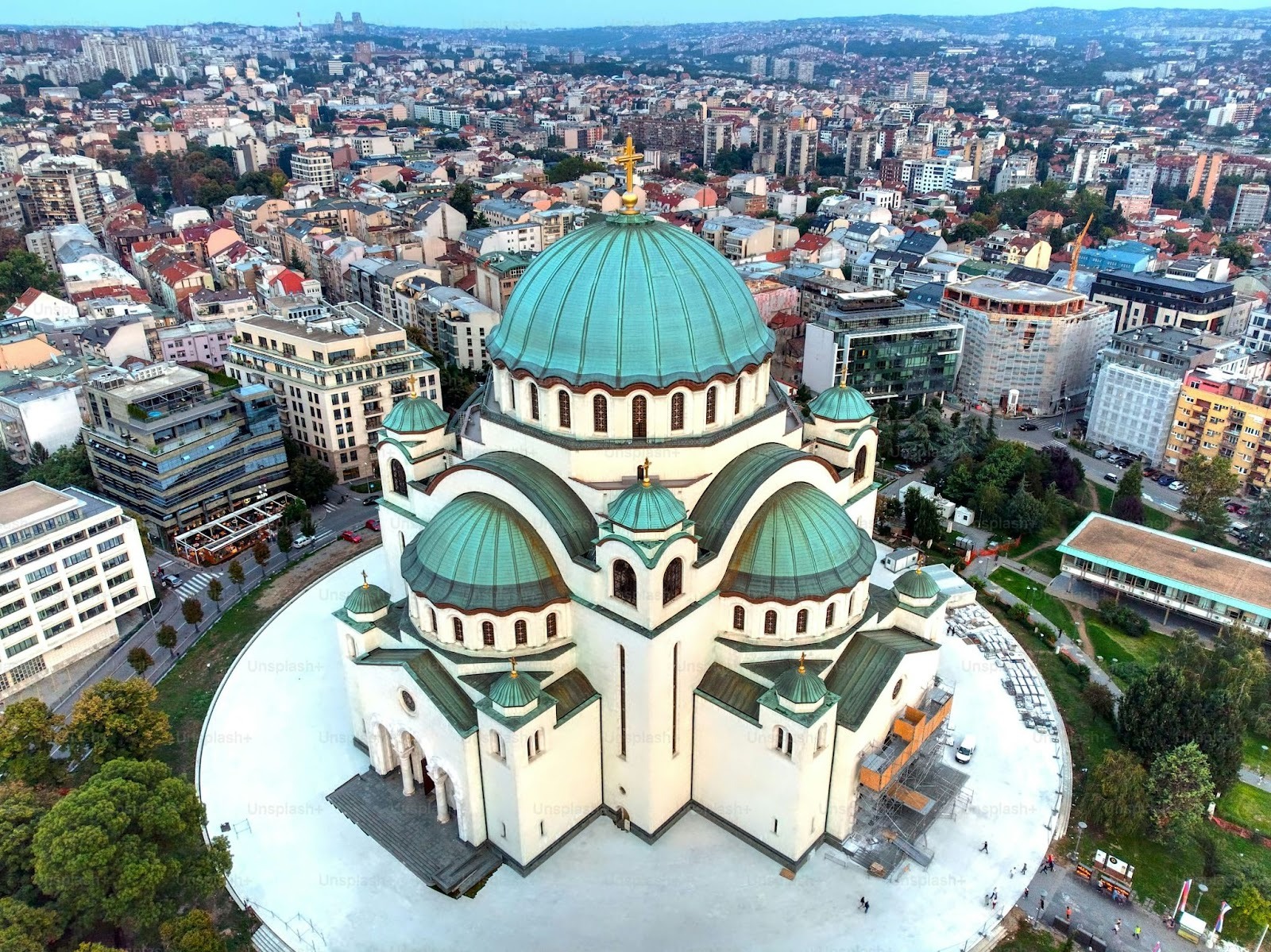
Belgrade — The Capital and Most Popular City for Relocation
Belgrade, with around 2 million residents, is Serbia’s economic and administrative center. It’s suitable for remote workers, entrepreneurs, professionals with international income, and families with children who prioritize access to good infrastructure and services.
Pros:
-
Well-developed infrastructure, healthcare, and education.
-
The largest number of job opportunities and business prospects in the country.
-
Active Russian-speaking community and services.
-
Vibrant cultural life.
Cons:
-
The highest real estate and rental prices in Serbia (€1500–2500 per m² for property).
-
Traffic congestion and occasional air quality issues.
Novi Sad — Cultural Capital and University City
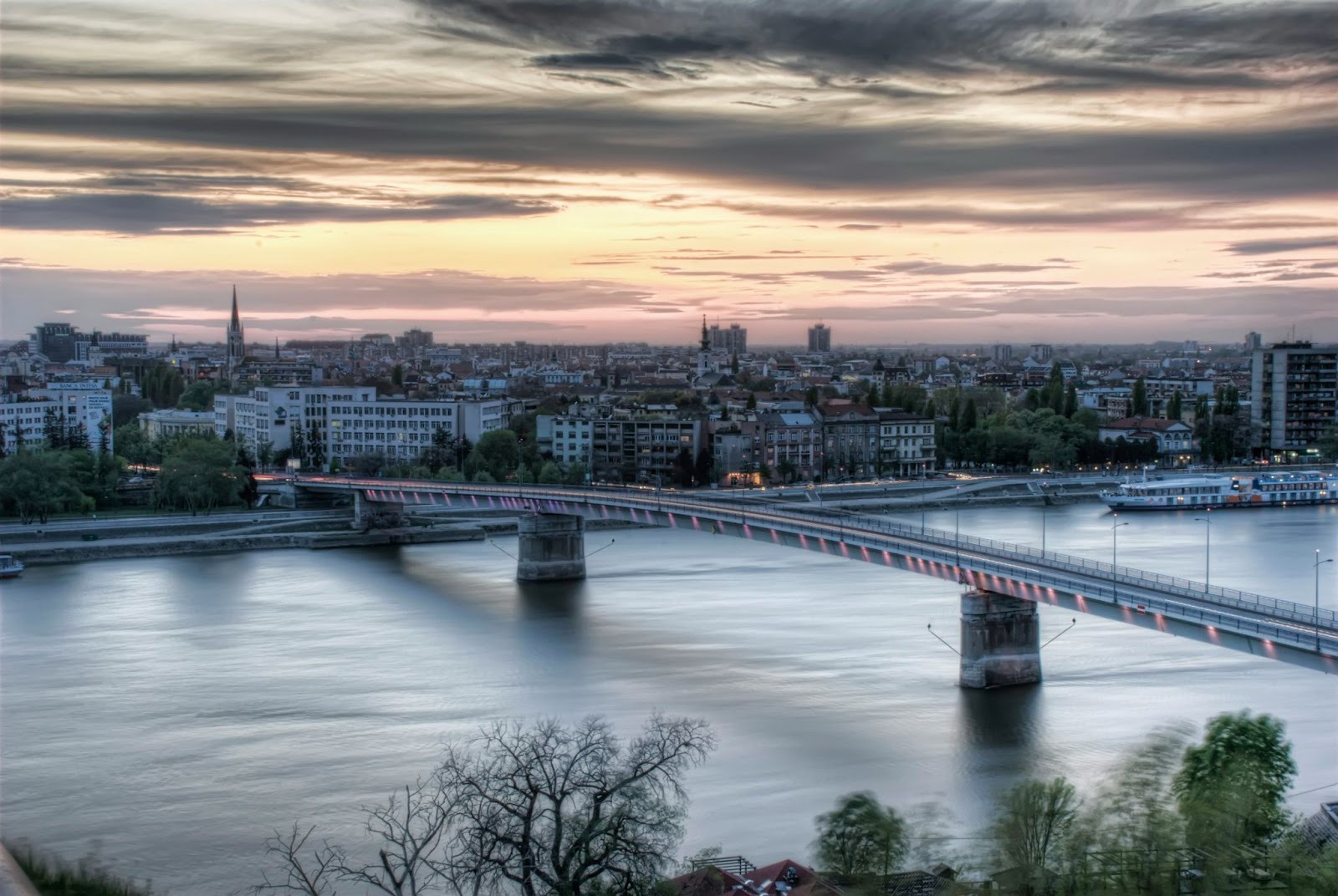
Novi Sad, with a population of about 270,000, is often chosen as a quieter alternative to Belgrade. It’s ideal for those who prefer a relaxed urban life, students, freelancers, creative professionals, and families not tied to the local job market.
Pros:
-
Compact city with well-developed infrastructure.
-
Scenic Danube riverfront and close proximity to natural areas.
-
Lively university and cultural environment.
Cons:
-
Fewer job opportunities compared to the capital.
-
Tourist crowds during the peak season.
Jagodina — Affordable and Peaceful City
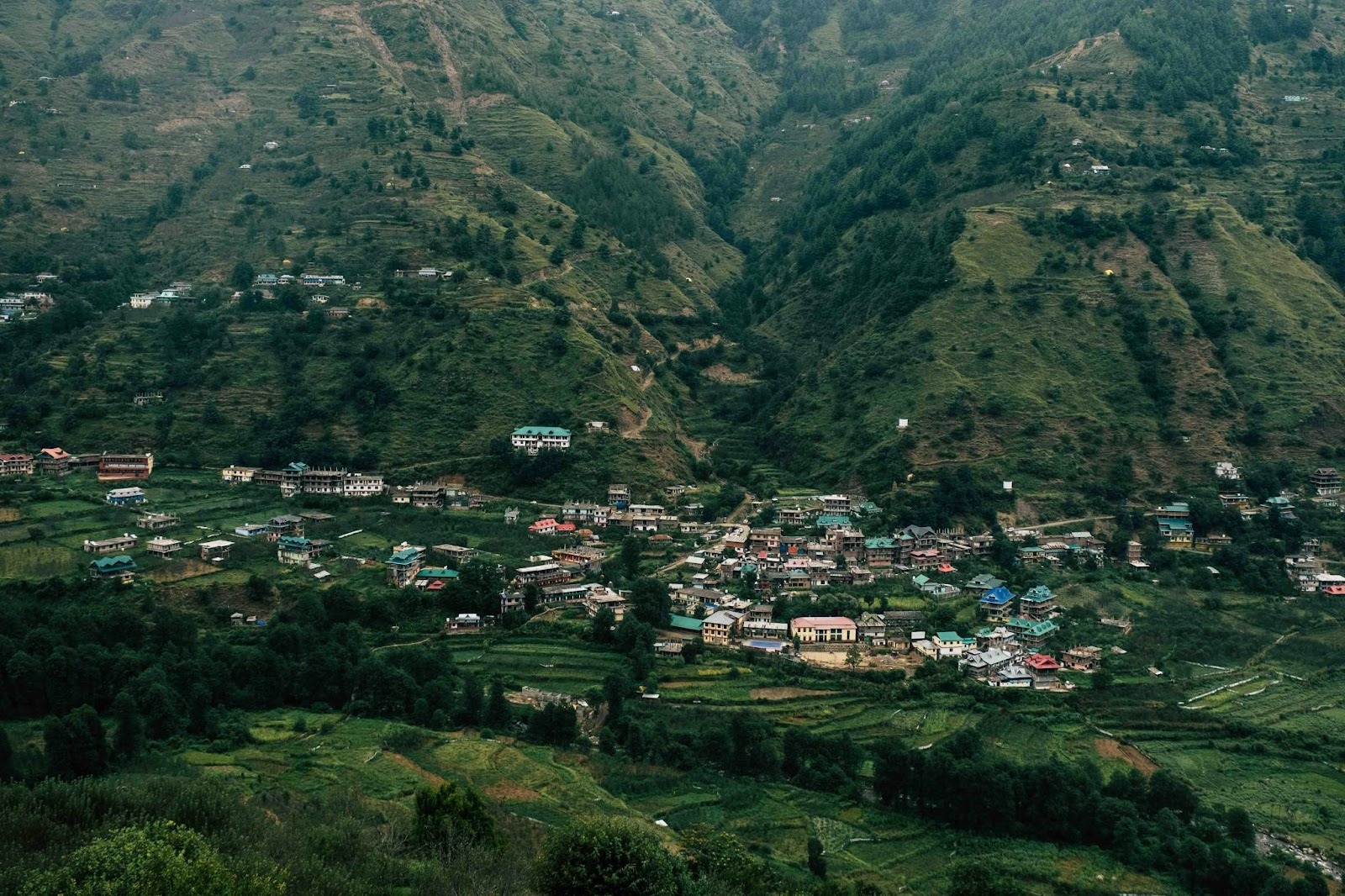
Jagodina is a small city (population under 40,000) in central Serbia, often chosen by those looking for the lowest possible cost of living. It’s suitable for pensioners, remote workers with income from abroad, and people seeking a quiet, inexpensive life.
Pros:
-
Low rental and property purchase prices.
-
Quiet pace of life.
Cons:
-
Limited infrastructure and job market.
-
Fewer educational and medical opportunities.
Other cities:
-
Niš – the third-largest city in Serbia, known for its low cost of living.
-
Kragujevac – an industrial and university center.
-
Subotica – a city near the Hungarian border, noted for its architecture and proximity to the EU.
What to Consider When Moving to Serbia
-
Language: Serbian is required for long-term life, but English is helpful at the start.
-
Healthcare and education: Public healthcare is available to residents, while private healthcare is affordable and of good quality. Education is free, and degrees are recognized in the EU.
Pros and Cons of Relocating to Serbia:
Pros – Easy legalization process, visa-free entry for short stays, affordable cost of living, safe environment, and a potential future within the EU.
Cons – A residence permit is required for things like banking and employment, salaries are relatively low, and you’ll still need visas to travel within the Schengen Area if your home country doesn’t have EU visa-free access.
Serbia, as a destination for immigration, remains one of the most well-balanced and accessible options for foreigners considering a move to Europe outside of the EU. Relocation to Serbia can be carried out in a calm, planned manner, following a clear and sequential path from entering the country to obtaining a temporary residence permit, then permanent residency, and ultimately citizenship if the requirements are met.
At the same time, it's important to consider the long-term context of migration policy development. Serbia is an official candidate for membership in the European Union and is gradually aligning its laws with EU standards. As part of this process, there is ongoing discussion about the potential revision of certain immigration and visa policies for third-country nationals in the future.
This does not mean immediate changes to entry or residence conditions but indicates that the current relocation regime may become less flexible over time. Therefore, foreign citizens planning to move to Serbia for living, business, or long-term immigration are advised to build a legalization strategy in advance and use the existing opportunities while they remain some of the most favorable in the region.
More articles on this topic

21.05.2026
Digital Nomad Visa: countries, taxes, income requirements, underrated destinations

15.05.2026
Business-Based Residence in Serbia: Sole Proprietor, LLC and Real Activity Requirements

30.04.2026
Germany Opportunity Card: requirements, points, costs & application plan

23.04.2026
Apostille and translation for Visa & Residence Permit: what documents you need and common mistakes

