25.12.2025
Visas to Montenegro in 2026: New Entry Rules for Citizens of Russia, Kazakhstan, and Belarus

Montenegro introduces visas for Russian citizens starting September 2026. Current visa-free regime, visa-run rules for stays up to 30 days, and entry conditions for citizens of Russia, Kazakhstan, and Belarus.
-
Montenegro will introduce visas for Russian citizens by the end of September 2026.
-
A visa-free stay of up to 30 days is currently in effect.
-
The decision is linked to Montenegro’s preparation for joining the European Union in 2028.
-
Citizens of Kazakhstan and Belarus also currently enjoy visa-free entry for up to 30 days.
-
Visa runs are currently possible to extend the length of a stay.
-
After visas are introduced, the rules will be aligned with EU policy
A visa to Montenegro for Russian citizens will become mandatory in 2026: the country’s authorities have officially confirmed plans to abolish the visa-free regime. The decision was made as part of the alignment of Montenegro’s migration and visa policy with European Union standards. Until the changes take effect, Russian citizens can still enter Montenegro without a visa for up to 30 days. However, this arrangement will remain in place for a limited time. Below we outline the current status, the expected timeline for visa introduction, and the practical consequences for tourists.
Do Russians Need a Visa to Montenegro Now?
At present, Russian citizens do not need a visa to travel to Montenegro. An international agreement between the two countries allows stays of up to 30 days per trip. There is no formal limit on the number of entries per year, provided that the permitted length of stay is respected each time.
Visa runs are still possible at this time. Tourists typically exit to neighboring countries — such as Serbia or Bosnia and Herzegovina — and then return to Montenegro to receive a new 30-day entry stamp in their passport. There is no official limit on the number of visa runs, but frequent border crossings may raise questions during passport control. Once the visa regime is introduced, this option will no longer be available.
When Will Montenegro Introduce Visas for Russians?
The official timeline for introducing a visa regime is by the end of the third quarter of 2026, meaning no later than September 30, 2026. This was announced by representatives of the Montenegrin embassy and the Ministry of Foreign Affairs. The official statement was clear: “Montenegro must fully align its visa policy with EU policy by the end of the third quarter of 2026.” This position was publicly confirmed by Prime Minister Milojko Spajić and President Jakov Milatović.
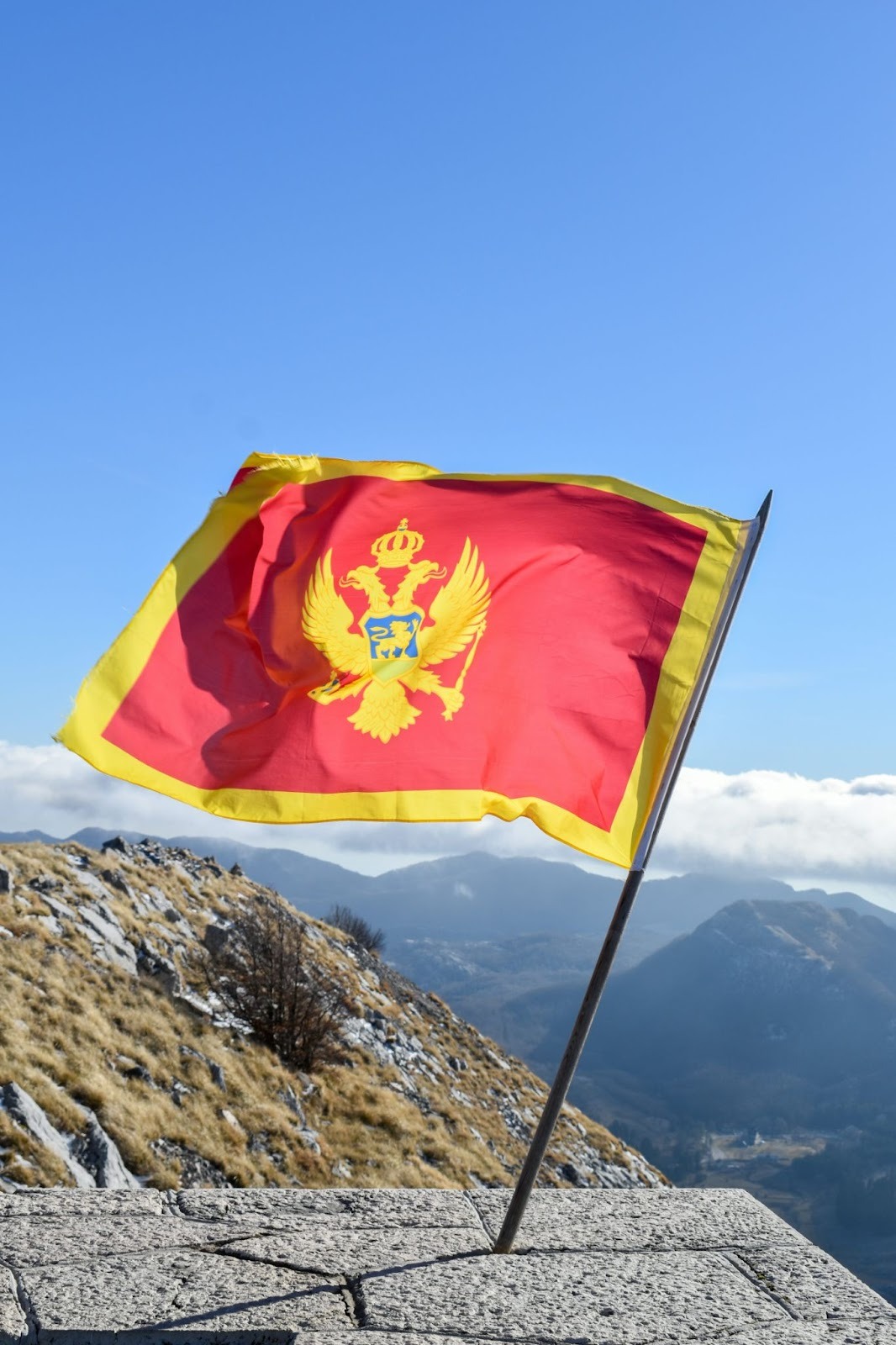
The context of the decision is important. Montenegro has been a candidate for EU membership since 2010 and hopes to become a full member of the Union in 2028. Introducing visas is a mandatory condition for receiving funding under the European Growth Plan, under which Montenegro is allocated €383.5 million. In October 2025, Montenegro already revoked visa-free entry for several countries, including Turkey. The Turkish experience demonstrated the tourism sector’s sensitivity: about 9,000 Turkish citizens left the country within a month after that change.
Documents Currently Required to Enter Montenegro
For Russian Citizens
To enter Montenegro without a visa, a Russian citizen must have a passport valid for at least three months beyond the end of the trip. At the border, officers may check a return ticket or onward ticket to a third country, as well as proof of accommodation such as a hotel booking or an invitation from a resident.
Medical insurance is not officially mandatory, but the Russian embassy in Montenegro recommends having it. Financial means are usually not checked, but a border officer has the right to request proof of sufficient funds. No official minimum amount is established; however, in practice, border officers look for roughly €20–50 per person per day of stay. Proof may include cash, a bank card, or a bank statement.
Visa to Montenegro for Citizens of Kazakhstan
Citizens of Kazakhstan can enter Montenegro without a visa for up to 30 days. This visa-free regime is seasonal, usually effective from spring through autumn. In 2025, it was extended until December 31. The requirements are standard: a passport valid for at least three months, a return ticket, and registration at the place of stay. After Montenegro joins the EU, the visa policy for Kazakhstani citizens will also change accordingly.
Visa to Montenegro for Citizens of Belarus
Citizens of Belarus currently do not need a visa for stays of up to 30 days. A passport valid for at least three months after the trip and a tourist voucher or hotel booking are required for entry. Registration at the place of stay is mandatory. After the introduction of visas, the conditions will be revised in line with EU rules.
Rules for Registration at the Place of Stay
Registration in Montenegro is required within 24 hours after entry. Hotels handle registration automatically for their guests. When renting private accommodation, the tourist must contact a tourist organization or the municipal authorities. The tourist tax ranges from €0.10 to €1 per day; in Budva and Ulcinj, it is €1 per day. You should keep the registration receipt, as it may be checked upon departure. Fines for failure to register start at €60.
Visa Runs in Montenegro: How to Extend Your Stay Without a Visa
A visa run is a trip to a neighboring country followed by re-entry into Montenegro to obtain a new 30-day entry stamp. Formally, the number of such trips is not limited, but after 3–4 consecutive visa runs, the risk of being denied entry increases. Border officers may request proof of the purpose of stay and evidence of financial means.
Popular destinations for visa runs include Serbia and Bosnia and Herzegovina, since Russians do not need visas for those countries and the border can be crossed overland. Albania, by contrast, requires a visa or a valid Schengen visa. After the visa regime is introduced, visa runs in Montenegro will no longer be possible.
How to Obtain a Visa to Montenegro After the Visa Regime Is Introduced
It is expected that the visa application process will follow rules similar to the Schengen system. Since November 2025, the European Commission has banned the issuance of multiple-entry visas to Russians, so each trip will likely require a new visa.
Applications will most likely need to be submitted through Montenegro’s visa centers or its embassy. The cost and processing times have not been officially announced yet. For reference, current and previous consular fees for Montenegrin visas ranged from €35 to €80, depending on the visa type and validity period, with an additional service fee possible if applying through a visa center. The exact rules and final amounts will be published closer to the date when the visa regime takes effect.
Visas for Russian citizens are scheduled to become mandatory by the end of September 2026. Until then, the visa-free regime remains in place, allowing travelers to plan short-term visits up to 30 days under the current rules. After the changes, Montenegro’s visa policy will become stricter, and the option of multiple visa-free entries will disappear.
We continuously publish the latest visa news, official explanations, and entry rule changes on our Terrana website — we recommend following updates regularly. In the meantime, alternatives for visa-free travel remain available, including destinations like Serbia, Turkey, the UAE, and others that maintain simplified entry policies.
More articles on this topic

21.05.2026
Digital Nomad Visa: countries, taxes, income requirements, underrated destinations

15.05.2026
Business-Based Residence in Serbia: Sole Proprietor, LLC and Real Activity Requirements

30.04.2026
Germany Opportunity Card: requirements, points, costs & application plan

23.04.2026
Apostille and translation for Visa & Residence Permit: what documents you need and common mistakes

